Show your Bird Portraits

Thanks Graham,

Since you mentioned it I've added the Bird Portrait thread under a Photography tab placed in my browser (CR is under that tab so I guess that'll jog my memory if a day or two has passed with no posts). Problem is I don't know the mechanics behind all this automated operations, suspect I'm not alone in that regard! ;)

Jack
 
Upvote 0
Another question that someone asked and I'm not sure it was answered. Why does the embedded photo in some cases look crisp and in other case soft and yet when opened, it's crisp. Doesn't seem to relate directly to the resolution of the posted image. Anyone know what's behind this and or solutions to it?

Jack
 
Upvote 0

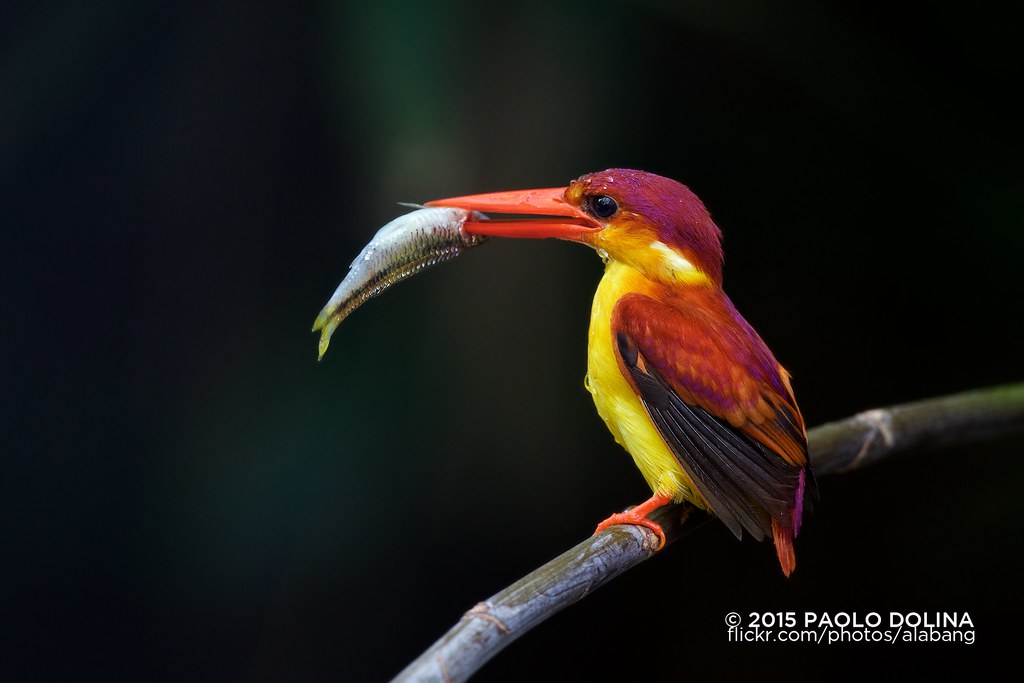
Rufous-backed kingfisher (Ceyx rufidorsa) by alabang, on Flickr

Framed in camera, no crop. Best viewed full screen on a Retina Display

The rufous-backed kingfisher (Ceyx rufidorsa) is a species of bird in the Alcedinidae family. It is found in Brunei, India, Indonesia, Malaysia, the Philippines, and Thailand in tropical lowland forests near lakeshores and streamsides. The small bird is solitary and hunts from a low perch over the water by diving for insects and frogs. It is sometimes considered a subspecies of the Oriental dwarf kingfisher.

Source: http://en.wikipedia.org/wiki/Rufous-backed_kingfisher

Location: http://en.wikipedia.org/wiki/Coron,_Palawan
 
Upvote 0
dolina said:
...

The rufous-backed kingfisher (Ceyx rufidorsa) is a species of bird in the Alcedinidae family. It is found in Brunei, India, Indonesia, Malaysia, the Philippines, and Thailand in tropical lowland forests near lakeshores and streamsides. The small bird is solitary and hunts from a low perch over the water by diving for insects and frogs. It is sometimes considered a subspecies of the Oriental dwarf kingfisher.

Source: http://en.wikipedia.org/wiki/Rufous-backed_kingfisher

Location: http://en.wikipedia.org/wiki/Coron,_Palawan

Crazy good! The dark background really makes the Kingfisher pop.
 
Upvote 0
I was getting some more practice shooting the 7D2 with the 300mm f/2.8L in my back yard when a young Hawk took a liking to my equipment and posed for me. This is a full resolution crop. I'm not sure if this is a young Harrier or a young Goshawk. It would be obvious if they were adults.
 

Attachments

  • IMG_2612_JMZ.jpg
    IMG_2612_JMZ.jpg
    1.1 MB · Views: 142
Upvote 0

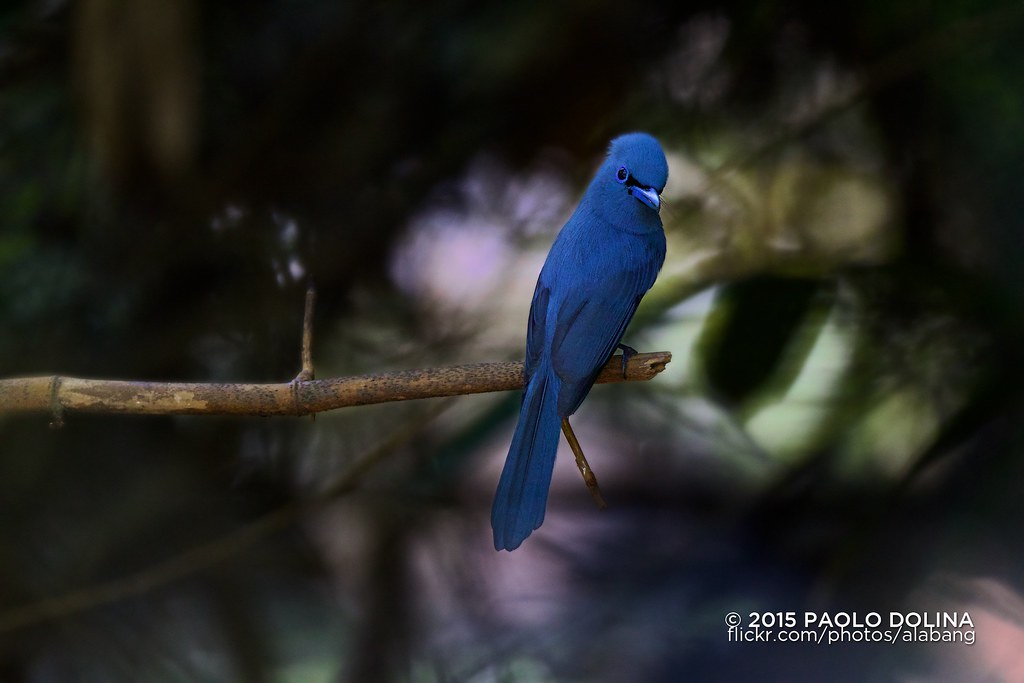
Blue Paradise Flycatcher (Terpsiphone cyanescens) by alabang, on Flickr

Framed in camera, no crop. Best viewed full screen on a Retina Display

The blue paradise flycatcher (Terpsiphone cyanescens) is a species of bird in the Monarchidae family. It is endemic to the Philippines.

It is mainly found in the understory of lowland primary and secondary forests, however populations are likely to be declining owing to habitat loss.

Source: http://en.wikipedia.org/wiki/Blue_paradise_flycatcher

Location: http://en.wikipedia.org/wiki/Coron,_Palawan
 
Upvote 0
Thanks click and Jack.

Not a dis to Photoshop but I do not use it. I use the now discontinued Apple Aperture 3.6.

When I can locate it I will share with you a photo of a friend shooting the same photo at the same shooting position.


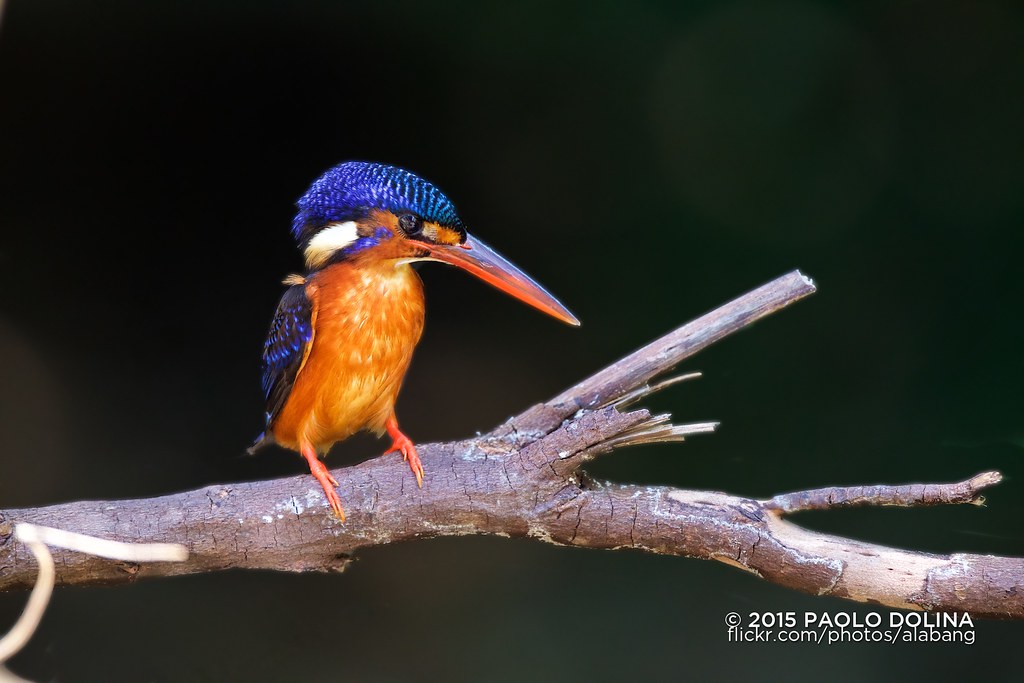
Blue-eared Kingfisher (Alcedo meninting) 1) by alabang, on Flickr

Framed in camera, no crop. Best viewed full screen on a Retina Display at the following sites below

https://www.flickr.com/photos/alabang/16601152488/

https://500px.com/photo/101525589/blue-eared-kingfisher-%28alcedo-meninting%29-by-paolo-dolina

The blue-eared kingfisher (Alcedo meninting) is found in Asia, ranging across the Indian subcontinent and Southeast Asia. It is found mainly in dense shaded forests where it hunts in small streams. It is darker crowned, with darker rufous underparts and lacking the rufous ear stripe of the common kingfisher (Alcedo atthis) which is found in more open habitats. A number of subspecies have been described that differ in measurement and colour shade. Adult males have an all dark bill while females have a reddish lower mandible.

This 16 centimetres (6.3 in) long kingfisher is almost identical to the common kingfisher (Alcedo atthis) but is distinguished by the blue ear coverts, darker and more intense cobalt-blue upperparts with richer rufous under parts. The juvenile blue-eared kingfisher has rufous ear-coverts as in the common kingfisher but it usually shows some mottling on the throat and upper breast which disappears when the bird reaches adulthood. Young birds have a reddish bill with whitish tips.

Source: http://en.wikipedia.org/wiki/Blue-eared_kingfisher

Location: http://en.wikipedia.org/wiki/Coron,_Palawan

Settings: 1/320 f/5.6 800mm ISO 2,500
 
Upvote 0
Thank you Click and Jock.

Great images Joe and Jack


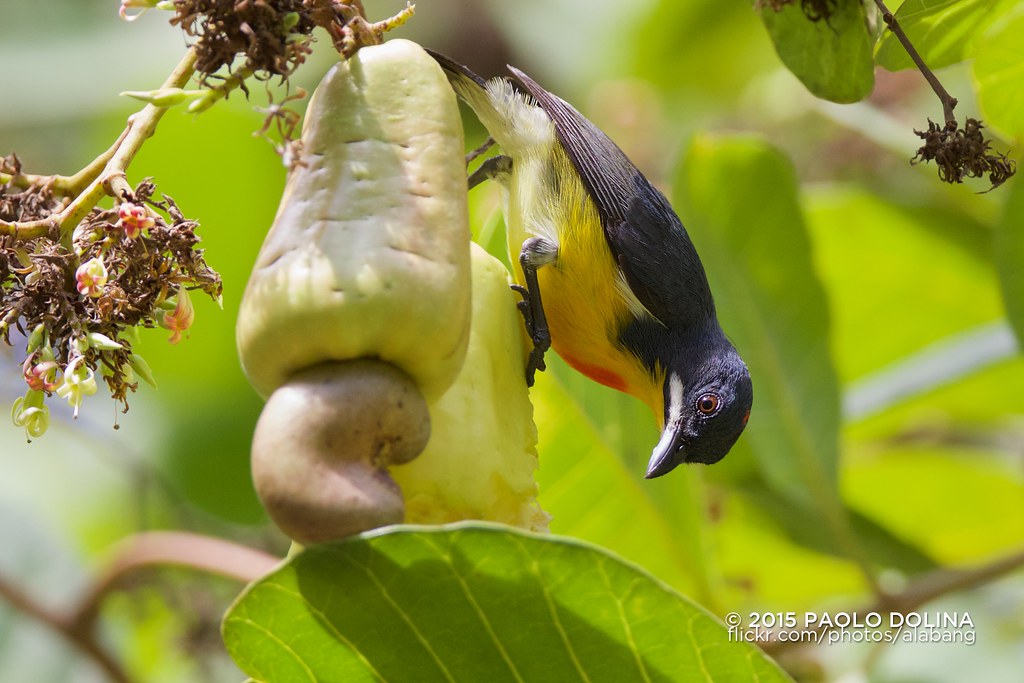
Palawan flowerpecker (Prionochilus plateni) by alabang, on Flickr

Framed in camera, no crop. Best viewed full screen on a Retina Display at the following sites below

http://www.flickr.com/photos/alabang/16791968842/in/photostream/lightbox/

http://500px.com/photo/101563979/palawan-flowerpecker-(prionochilus-plateni)-by-paolo-dolina

The Palawan flowerpecker (Prionochilus plateni) is a species of bird in the Dicaeidae family. It is endemic to the Philippines.

Its natural habitat is subtropical or tropical moist lowland forests.

The scientific name commemorates the German zoologist Carl Constantin Platen.

Source: http://en.wikipedia.org/wiki/Palawan_flowerpecker

Location: http://en.wikipedia.org/wiki/Coron,_Palawan
 
Upvote 0