
You are using an out of date browser. It may not display this or other websites correctly.
You should upgrade or use an alternative browser.
You should upgrade or use an alternative browser.
Show your Bird Portraits
- Thread starter 1982chris911
- Start date
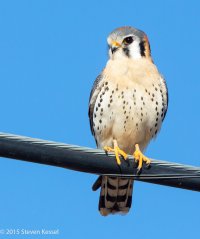
Haven't posted in a while. American Kestrel (male). Kestrels are among the quickest birds to fly when I attempt to photograph them and getting a nice portrait is nigh unto impossible. Obviously, this one hadn't read the memo.
Canon 5Diii, 400DO+1.4X Extender, "M" setting, f6.3 @ 1/1250.
Canon 5Diii, 400DO+1.4X Extender, "M" setting, f6.3 @ 1/1250.
Attachments
Upvote
0

steven kessel said:Haven't posted in a while. American Kestrel (male). Kestrels are among the quickest birds to fly when I attempt to photograph them and getting a nice portrait is nigh unto impossible. Obviously, this one hadn't read the memo.
Canon 5Diii, 400DO+1.4X Extender, "M" setting, f6.3 @ 1/1250.
Great shot, Steve!
Upvote
0

steven kessel said:Haven't posted in a while. American Kestrel (male). Kestrels are among the quickest birds to fly when I attempt to photograph them and getting a nice portrait is nigh unto impossible. Obviously, this one hadn't read the memo.
Canon 5Diii, 400DO+1.4X Extender, "M" setting, f6.3 @ 1/1250.
Beautiful shot Steven.
Upvote
0


Green-faced parrotfinch (Erythrura viridifacies) by alabang, on Flickr
The green-faced parrotfinch (Erythrura viridifacies) is a species of estrildid finch found in northern Philippines, around Luzon, Negros and Panay.
The green-faced parrotfinch is approximately 12–13 cm long. This species green plumage except for its bright red uppertail-coverts and tail and darker fringes to the primaries. It has a long pointed tail. The female is slightly shorter and shows buff on the lower belly and vent. Both sexes have a large, dark bill. The green-faced parrotfinch makes a short, high-pitched tsit tsit, chattering and grating notes.
It inhabits tropical moist forest (including degraded areas), forest edge and even savannah, often above 1,000 m, but is occasionally found in the lowlands. It is usually found together with flowering or seeding bamboos, which are its food supply.
This species is threatened by deforestation which removes its food supply (bamboo seeds). The cage-bird trade has also affected its population as large numbers of green-faced parrotfinch in many districts of Manila have been caught and exported to the United States.
Source: http://en.wikipedia.org/wiki/Green-faced_parrotfinch
Location: http://en.wikipedia.org/wiki/Colegio_de_San_Juan_de_Letran#Colegio_de_San_Juan_de_Letran_-_Abucay.2C_Bataan
Upvote
0

Upvote
0


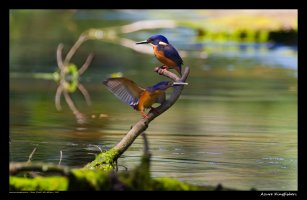

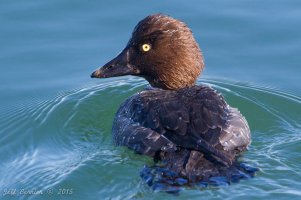
Omni Images said:Hour and a half under a camo cloth.
Canon 1D4 100-400II +1.4III
They still wouldn't come any closer, so they are cropped a bit.
Azure Kingfishers
Wonderful photo!
Upvote
0
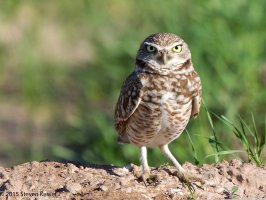
Steven, great shot of the Burrowing Owl. The only ones I've seen are from a colony between the runways at the Miami(FL) airport. You could see them with a telescope or (very) long lens from the observation deck atop the passenger terminal. Sadly, the observation deck is long closed due to security changes following 9/11.
Upvote
0

Thanks Candyman, I've been trying to get a decent shot of these guys for ages, they have only just showed again now after I got the 100-400II so now is the time to get some what I hope to be decent shots.
They were still not coming very close.
Tips; watch them for a while and work out where they perch.. I keep my distance and just watch what they do and that way you can try and preempt where they will land. No point sitting in your hide when they won't ever perch near you.
I try and set up when they are not there, so I move in and sort of herd them up the creek a bit, set up near where I want them .. checking the angle of light etc ... cover up and wait for them to just move back down, and fingers crossed they land close ... patients that's all.
They were still not coming very close.
Tips; watch them for a while and work out where they perch.. I keep my distance and just watch what they do and that way you can try and preempt where they will land. No point sitting in your hide when they won't ever perch near you.
I try and set up when they are not there, so I move in and sort of herd them up the creek a bit, set up near where I want them .. checking the angle of light etc ... cover up and wait for them to just move back down, and fingers crossed they land close ... patients that's all.
Upvote
0
Similar threads
- Replies
- 118
- Views
- 99K
