
You are using an out of date browser. It may not display this or other websites correctly.
You should upgrade or use an alternative browser.
You should upgrade or use an alternative browser.
Show your Bird Portraits
- Thread starter 1982chris911
- Start date


So many wonderful images. Pls post more guys. 
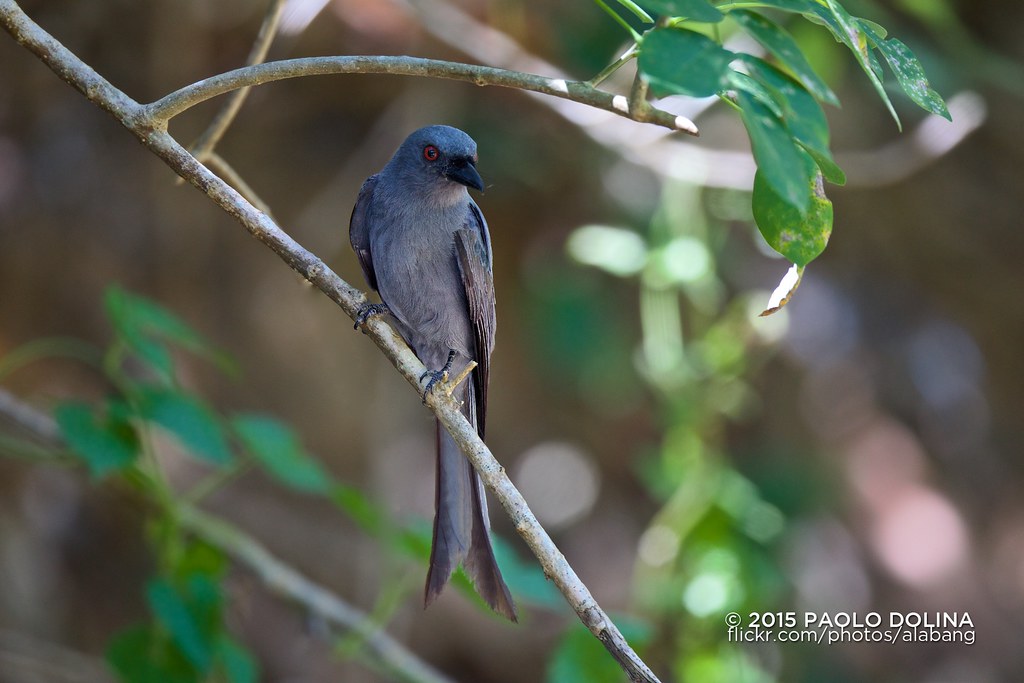
Ashy Drongo (Dicrurus leucophaeus) by alabang, on Flickr
Best viewed full screen on a Retina Display at flickr and 500px
http://www.flickr.com/photos/alabang/16686988509/
https://500px.com/photo/102370503/ashy-drongo-(dicrurus-leucophaeus)-by-paolo-dolina
The Ashy Drongo (Dicrurus leucophaeus) is a species of bird in the drongo family Dicruridae. It is found widely distributed across South and Southeast Asia with several populations that vary in the shade of grey, migration patterns and in the size or presence of a white patch around the eye.
Source: http://en.wikipedia.org/wiki/Ashy_drongo
Location http://en.wikipedia.org/wiki/Coron,_Palawan
Ashy Drongo (Dicrurus leucophaeus) by alabang, on Flickr
Best viewed full screen on a Retina Display at flickr and 500px
http://www.flickr.com/photos/alabang/16686988509/
https://500px.com/photo/102370503/ashy-drongo-(dicrurus-leucophaeus)-by-paolo-dolina
The Ashy Drongo (Dicrurus leucophaeus) is a species of bird in the drongo family Dicruridae. It is found widely distributed across South and Southeast Asia with several populations that vary in the shade of grey, migration patterns and in the size or presence of a white patch around the eye.
Source: http://en.wikipedia.org/wiki/Ashy_drongo
Location http://en.wikipedia.org/wiki/Coron,_Palawan
Upvote
0

dolina said:So many wonderful images. Pls post more guys.
<snip>
The Ashy Drongo (Dicrurus leucophaeus) is a species of bird in the drongo family Dicruridae. It is found widely distributed across South and Southeast Asia with several populations that vary in the shade of grey, migration patterns and in the size or presence of a white patch around the eye.
<snip>
A wonderful photo Paolo. Love the additional info. Thanks!
Upvote
0
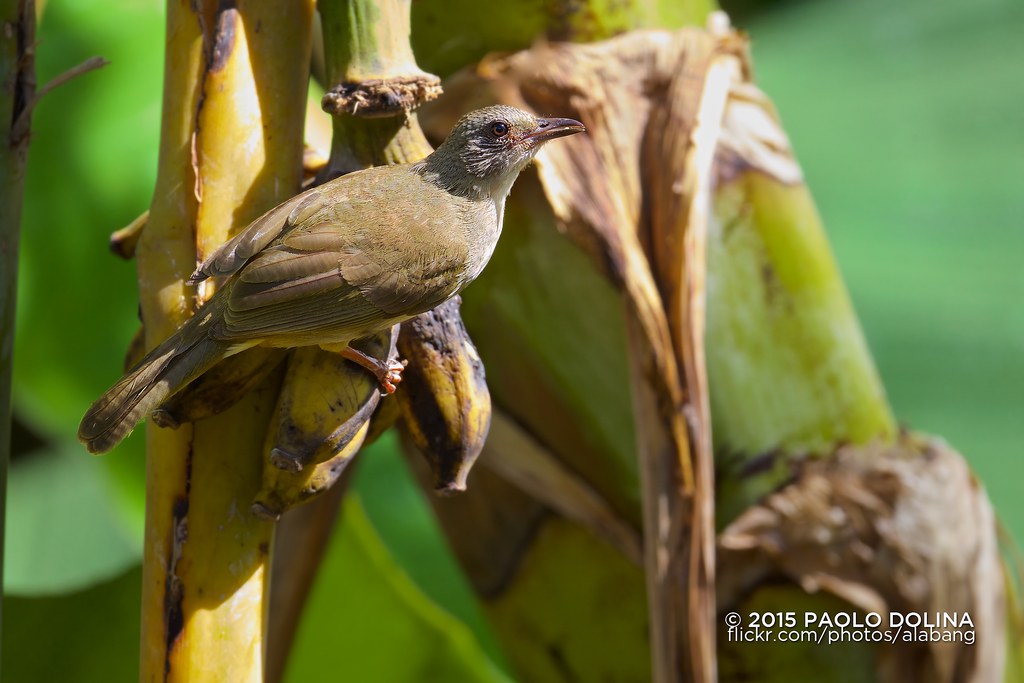
Ashy-Fronted Bulbul (Pycnonotus cinereifrons) by alabang, on Flickr
Framed in camera, no crop. Best viewed full screen on a Retina Display at the following sites below
http://www.flickr.com/photos/alabang/16287860403/in/photostream/lightbox/
http://500px.com/photo/102691505/ashy-fronted-bulbul-%28pycnonotus-cinereifrons%29-by-paolo-dolina
The Ashy-Fronted Bulbul (Pycnonotus cinereifrons) is a species of songbird in the Pycnonotidae family. It is endemic to Palawan Island in the Philippines. Its natural habitat is subtropical or tropical moist lowland forests. It previously was considered a subspecies of the olive-winged bulbul.
Source: http://en.wikipedia.org/wiki/Ashy-fronted_bulbul
Location: http://en.wikipedia.org/wiki/Coron,_Palawan
Upvote
0

dolina said:The Ashy Drongo (Dicrurus leucophaeus) is a species of bird in the drongo family Dicruridae. It is found widely distributed across South and Southeast Asia with several populations that vary in the shade of grey, migration patterns and in the size or presence of a white patch around the eye.
Source: http://en.wikipedia.org/wiki/Ashy_drongo
Location http://en.wikipedia.org/wiki/Coron,_Palawan
Drongo is Australian slang for a "no-hoper" or fool.
Upvote
0

Thanks Alan, now I know which bird I should be identified with, at least other than the extinct dodo!
Jack
Jack
Upvote
0

Raven VS Husky
Hi people
Here is a photo that i took with my Canon 500mm MK1 ;D i was just practising with BIF and came away with a few Raven's Predominantly all that we have here in Iqaluit,NU,Canada at this time of the year but they are great for Practicing on and learning with the 500mm. ;D
Hi people
Here is a photo that i took with my Canon 500mm MK1 ;D i was just practising with BIF and came away with a few Raven's Predominantly all that we have here in Iqaluit,NU,Canada at this time of the year but they are great for Practicing on and learning with the 500mm. ;D
Attachments
Upvote
0

Thank you Alan.AlanF said:Drongo is Australian slang for a "no-hoper" or fool.
Bulbul in Filipino is slang for "pubic hair".

Upvote
0

Now that's what you cal a portriat. Well done LSeries.
Nice image crb595
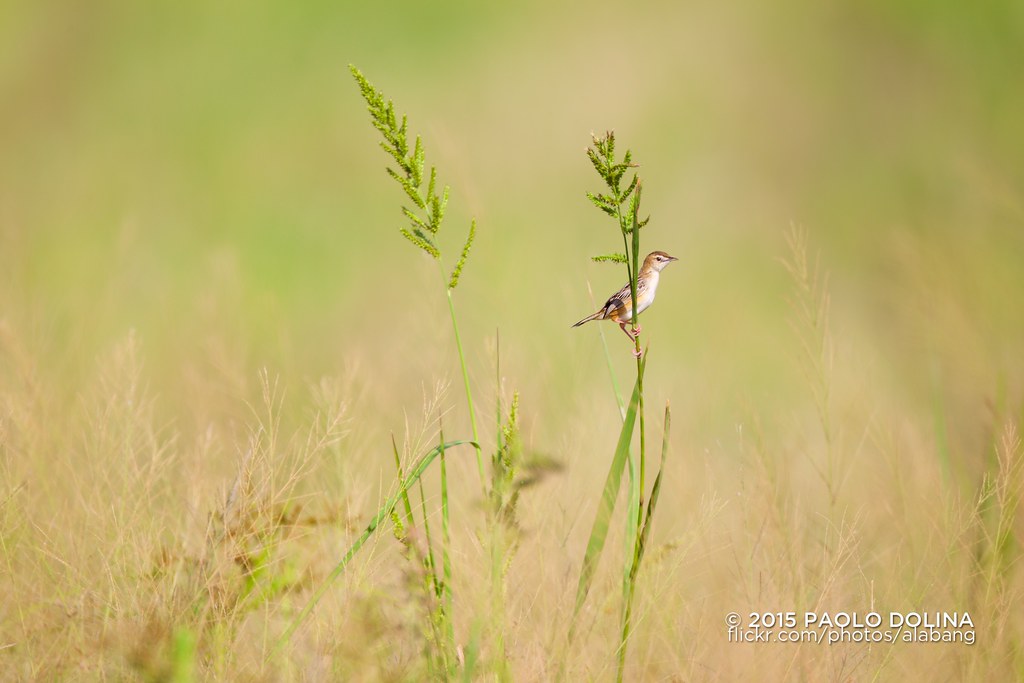
Zitting Cisticola (Cisticola juncidis) by alabang, on Flickr
The frame is purposed for a 20-inch by 30-inch or larger printed surface.
Framed in camera, no crop. Best viewed full screen on your device display at the following sites below
http://www.flickr.com/photos/alabang/16889465666/in/photostream/lightbox/
http://500px.com/photo/102763633/zitting-cisticola-(cisticola-juncidis)-by-paolo-dolina
The zitting cisticola or streaked fantail warbler (Cisticola juncidis), is widely distributed Old World warbler whose breeding range includes southern Europe, Africa (outside the deserts and rainforest), and southern Asia down to northern Australia. A small bird found mainly in grasslands, it is best identified by its rufous rump, lacks any gold on the collar and the brownish tail is tipped with white. During the breeding season, males have a zigzagging flight display accompanied by regular "zitting" calls that has been likened to repeated snips of a scissor. They build their pouch nest suspended within a clump of grass.
Source: http://en.wikipedia.org/wiki/Zitting_cisticola
Location: http://en.wikipedia.org/wiki/International_Rice_Research_Institute
Settings: 1/320 f/5.6 800mm ISO 100
Nice image crb595
Zitting Cisticola (Cisticola juncidis) by alabang, on Flickr
The frame is purposed for a 20-inch by 30-inch or larger printed surface.
Framed in camera, no crop. Best viewed full screen on your device display at the following sites below
http://www.flickr.com/photos/alabang/16889465666/in/photostream/lightbox/
http://500px.com/photo/102763633/zitting-cisticola-(cisticola-juncidis)-by-paolo-dolina
The zitting cisticola or streaked fantail warbler (Cisticola juncidis), is widely distributed Old World warbler whose breeding range includes southern Europe, Africa (outside the deserts and rainforest), and southern Asia down to northern Australia. A small bird found mainly in grasslands, it is best identified by its rufous rump, lacks any gold on the collar and the brownish tail is tipped with white. During the breeding season, males have a zigzagging flight display accompanied by regular "zitting" calls that has been likened to repeated snips of a scissor. They build their pouch nest suspended within a clump of grass.
Source: http://en.wikipedia.org/wiki/Zitting_cisticola
Location: http://en.wikipedia.org/wiki/International_Rice_Research_Institute
Settings: 1/320 f/5.6 800mm ISO 100
Upvote
0
Similar threads
- Replies
- 118
- Views
- 99K
