Show your Bird Portraits

Talys said:
AlanF said:
Jack, I don't fear theft. It's walking around town and being told every few yards what a big one I have got. The 5DIV + 400mm DO II + 2xTC = 3.72kg, 5DSR + Sigma 150-600mm C = 2.96kg

I'm curious, Alan -- when you take off the hood on the 400, how much longer is the 400mm + 2x than the Sigma (with no hood)?

I've wondered how critical the hood is and have pondered making another that is maybe 1/2??

Jack
 
Upvote 0
Jack Douglas said:
Talys said:
AlanF said:
Jack, I don't fear theft. It's walking around town and being told every few yards what a big one I have got. The 5DIV + 400mm DO II + 2xTC = 3.72kg, 5DSR + Sigma 150-600mm C = 2.96kg

I'm curious, Alan -- when you take off the hood on the 400, how much longer is the 400mm + 2x than the Sigma (with no hood)?

I've wondered how critical the hood is and have pondered making another that is maybe 1/2??

Jack

The dimensions can be found in TDP, imaging-resources etc. The 400mm DO II is 233mm long, vs 267mm for the Sigma unextended (I have checked). With a 1.4xTC on the 400mm, they are the same length. Without the hood, the 400mm DO is quite short. I value that front element too much to use the lens without the hood.
 
Upvote 0
AlanF said:
Jack Douglas said:
Talys said:
AlanF said:
Jack, I don't fear theft. It's walking around town and being told every few yards what a big one I have got. The 5DIV + 400mm DO II + 2xTC = 3.72kg, 5DSR + Sigma 150-600mm C = 2.96kg

I'm curious, Alan -- when you take off the hood on the 400, how much longer is the 400mm + 2x than the Sigma (with no hood)?

I've wondered how critical the hood is and have pondered making another that is maybe 1/2??

Jack

The dimensions can be found in TDP, imaging-resources etc. The 400mm DO II is 233mm long, vs 267mm for the Sigma unextended (I have checked). With a 1.4xTC on the 400mm, they are the same length. Without the hood, the 400mm DO is quite short. I value that front element too much to use the lens without the hood.

Me too, and I think I'm going to put a little creative energy into coming up with a shorter one. Trouble is I'm unfamiliar with what to expect optically. There are various circumstances where a little shorter would be handy - I store lens and camera together, I stand it up on my knee between shooting and I'm sometimes maneuvering in tight quarters. I often keep it sitting vertically between shooting as well, so shorter would be a touch more stable.

Jack
 
Upvote 0
Again tons of great pictures posted when I was busy/out of the forum! These two forums (BIF is the other one but everyone know what I mean) are really alive and thriving!
Here is my only bird from the very wet and short hiking today...
 

Attachments

  • DSC_4345_DxO.jpg
    DSC_4345_DxO.jpg
    617.3 KB · Views: 69
  • DSC_4348_DxO.jpg
    DSC_4348_DxO.jpg
    624.4 KB · Views: 72
Upvote 0
Jack Douglas said:
Alan was there a reason why 800mm wasn't used? It appears you needed reach.

Jack

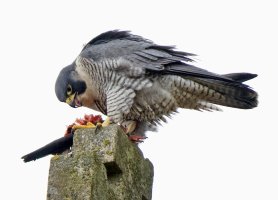
There were 7000 runners through the town this morning so I sneaked out with the 800mm on the 5DIV (and a grandson in tow) as no-one would take notice of me with that lot running past.
https://www.cambridge-news.co.uk/news/cambridge-news/cambridge-half-marathon-photos-2018-14366479

Not good light but it was worth it!
 

Attachments

  • peregrine+pigeon_2B4A6711-DxO.jpg
    peregrine+pigeon_2B4A6711-DxO.jpg
    258.4 KB · Views: 88
Upvote 0
@Alan - Nice series! :D

Sadly, unlike hawks, Peregrine falcons evidently do eat hummingbirds. Strangely, our red-tailed hawks and hummingbirds are quite friendly. From what I understand, the hawks see the hummingbirds as just too small to be worth the trouble of eating them -- or even the eggs from their nests -- so the little hummers nest near them for protection.

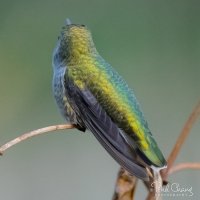
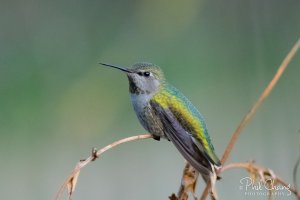
When our hawks are visible on treetops nearby, most other species of small birds like starlings vanish, but the hummingbirds totally ignore them. I snapped these two photos today -- normally, I don't post (or even keep) the back shots unless the head turned is at least turned to a profile, but I was really struck by the beautiful colors on this guy.

Photographed on a 6DII with a 70-200 L 2.8 IS. Also, not a bad example of High ISO performance on the 6DII -- these are shot at ISO 2500 (profile) and 2000 (back).
 

Attachments

  • Hummer-18_RFW.jpg
    Hummer-18_RFW.jpg
    241.7 KB · Views: 217
  • Hummer-17_RW.jpg
    Hummer-17_RW.jpg
    412.3 KB · Views: 83
Upvote 0
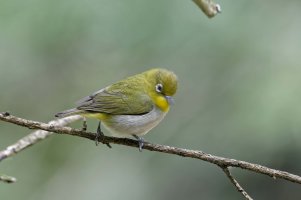
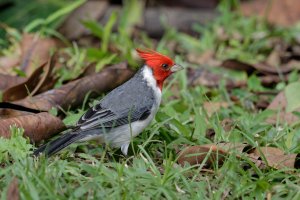
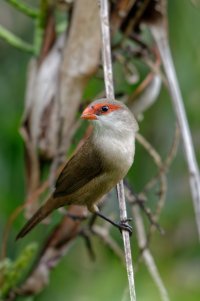
Just finish the PP of the files from today.
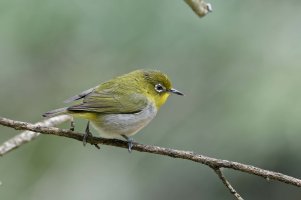
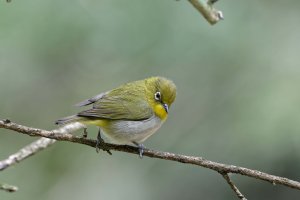
First three are the Japanese White Eye (on the last two shots it got first shy and after that kind of intoxicated when I told him "You go to Canon rumors" :D). I know I posted too much of them recently but they are really challenging and I like to compete with them...
After that are Red-crested Cardinal (not cardinal at all...) and Common Waxbill.

Nice week to everybody, I have to dive in my second life (my job I mean :))!
 

Attachments

  • DSC_4721_DxO.jpg
    DSC_4721_DxO.jpg
    732.8 KB · Views: 85
  • DSC_4719_DxO.jpg
    DSC_4719_DxO.jpg
    749.5 KB · Views: 73
  • DSC_4720_DxO.jpg
    DSC_4720_DxO.jpg
    726.9 KB · Views: 69
  • DSC_4467_DxO.jpg
    DSC_4467_DxO.jpg
    1.1 MB · Views: 74
  • DSC_4562_DxO.jpg
    DSC_4562_DxO.jpg
    550.7 KB · Views: 75
Upvote 0
Nice hummer Phil. We don't get them here and I love to take some myself. Peregrines catch pigeons, small ducks like teal, carry them away and eat them. Sparrow hawks will kill for the fun of it. They kill sparrows and often just eat the heads (brain in fatty).
 
Upvote 0