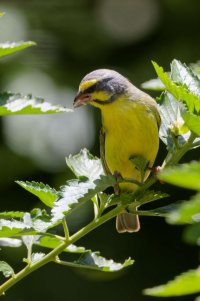
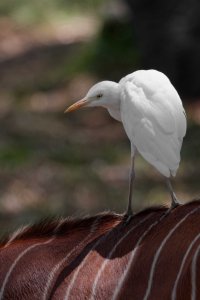
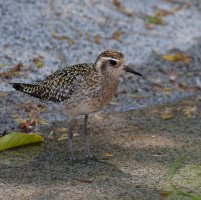
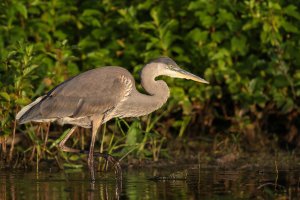
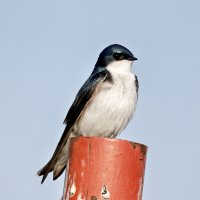
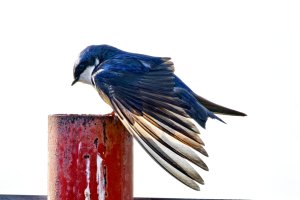
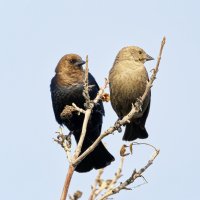
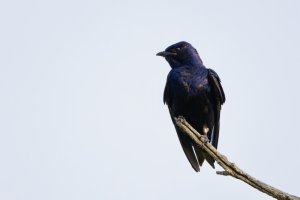
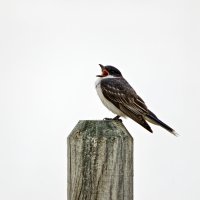
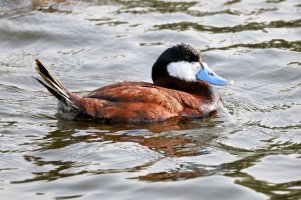
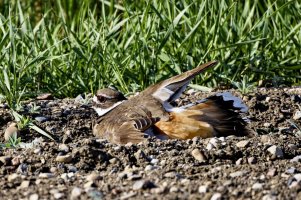
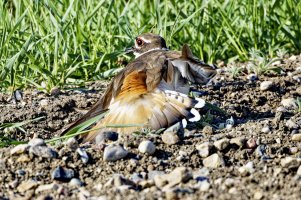
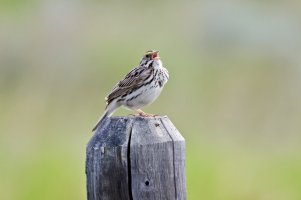
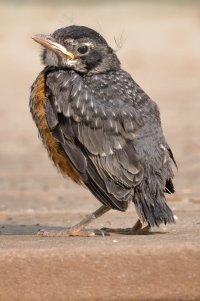
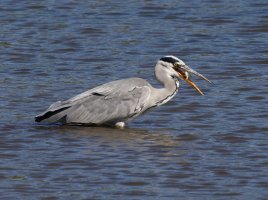
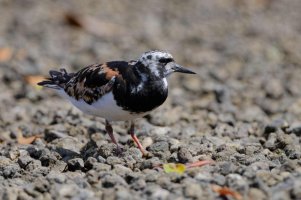
These are from the last weekend. The regular migrants are already here!
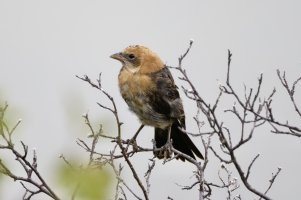
The third one is immature Saffron finch. Some visitors use to call it female Saffron Finch. Both adults are difficult to separate if they are not close to each-other -female is just slightly duller, immature are very different! And the other thing: I have never ever seen before a flocks counting 25-30 immature birds (with no chaperones )!!! Usually you can see 1-2 pars per trip (in that area) of adults or a family of two adults and 1-2 immature.

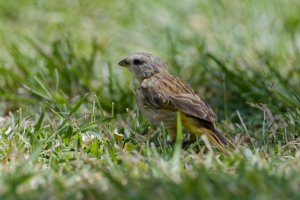
The third one is immature Saffron finch. Some visitors use to call it female Saffron Finch. Both adults are difficult to separate if they are not close to each-other -female is just slightly duller, immature are very different! And the other thing: I have never ever seen before a flocks counting 25-30 immature birds (with no chaperones
)!!! Usually you can see 1-2 pars per trip (in that area) of adults or a family of two adults and 1-2 immature.
Upvote
0