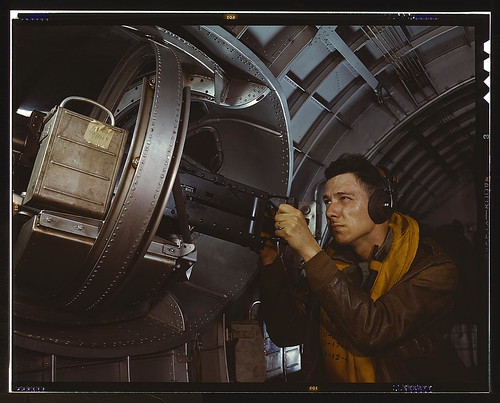
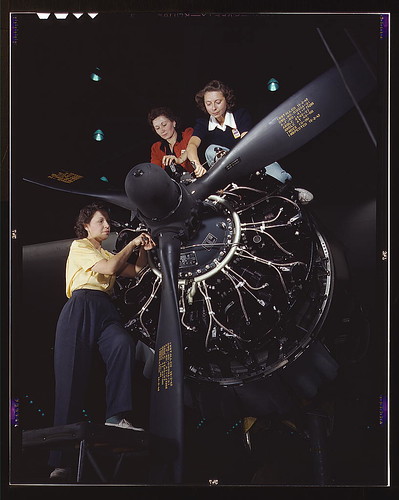
These look so good, so long after they were taken, because they were shot in Kodachrome, the most archivally long-lasting of all the practical color films of the time (and, even much, much later as well). It is essentially a three-layer B&W film, each layer of which later has attached to it a very stable primary color dye in processing - a very complex and expensive process that is just recently, unfortunately, unavailable and lost to the pages of history. Those photographers did a wonderful job with what they had - probably 4x5 Speed Graphic types of cameras and horribly "slow" film (i.e., ISO 10?) - by shooting subjects whose movement they could tightly control and either shooting the "type A"emulsion with big cumbersome tungsten floods or the daylight emulsion with flash - not electronic flash, but, most likely, very large, multiple flashbulbs; this last is quite hard to do well without a lot of trial and error, so they had to be very experienced to properly get what they got. Their results were sometimes stilted, compared to the 35mm B&W negative shooters of the time, but they did the best they could and sometimes even overcame that limitation as well.
As to the image manipulation in scanning or in actual post, I actually see very little in the examples shown here. It looks like the images were lightened just a bit from whatever the darker examples represent, plus maybe just a very tiny goose in saturation - overall not much of anything.
We should all be very grateful for the tools we now have and the relative ease it affords in our work. Our predecessors had to bust their humps, generally have to deal with many more technical issues than we do, and work through very cumbersome limitations to achieve what they did. Finally, it's just so much fun to see what these men and women tried to show us of our country and our people in a time not too long ago.