
New Sensor Patent
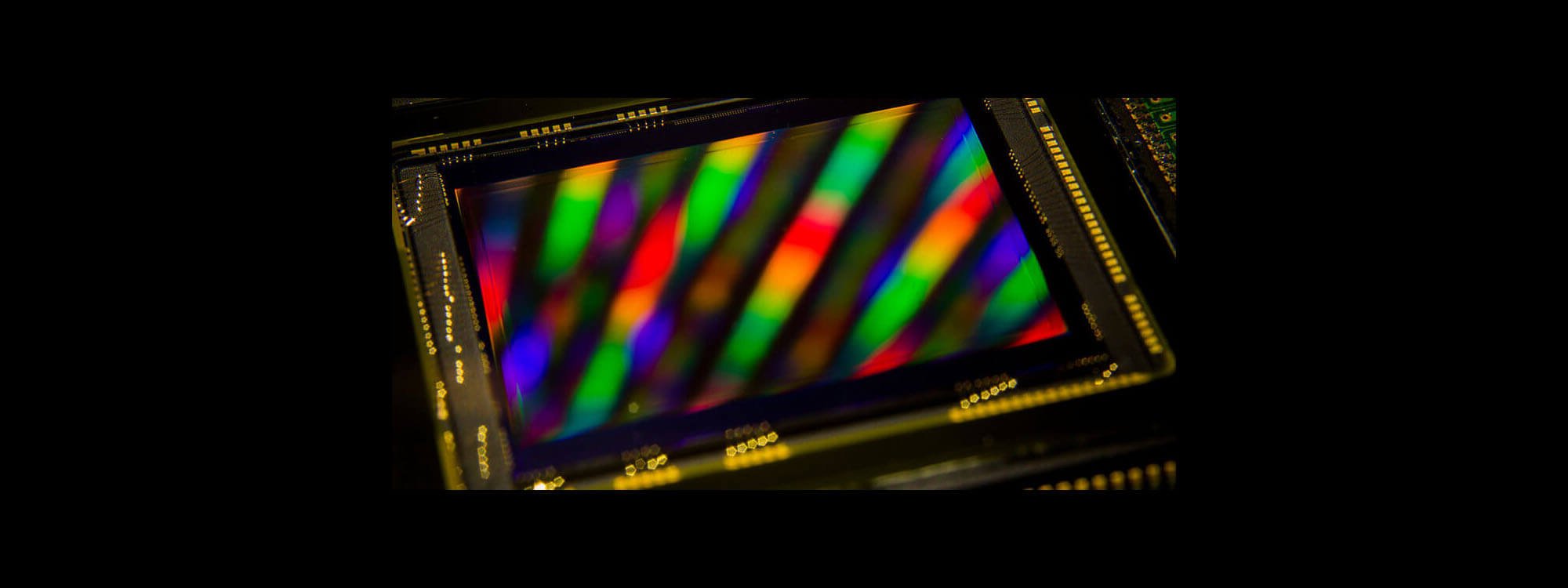
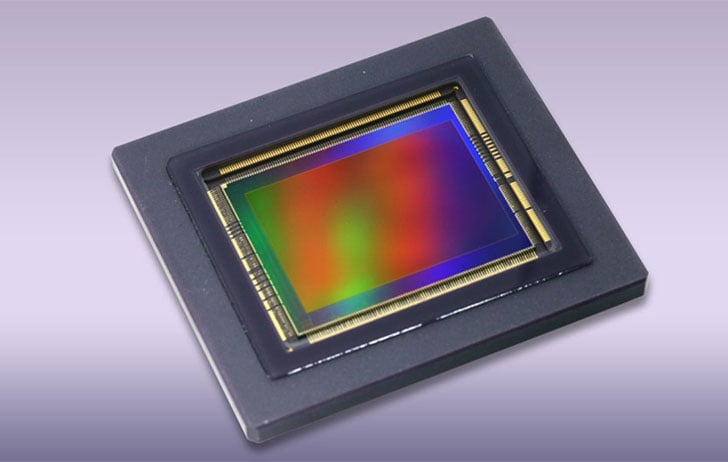
Canon has published a back illuminated sensor patent for APS-C and Full Frame sensors. Back Illuminated Sensors allow for a more effective use of pixel area.
Patent Publication No. 2012-15275
- 2012.1.19 Release Date
- Filing date 2010.6.30
Back-illuminated imaging device
- The two bonded substrates photoelectric conversion unit and the peripheral circuit manufacturing to
- Photoelectric conversion unit and the peripheral circuit microprocessor which is connected by bump
- The incident light is changed and the current strong influence to adjacent pixels in the peripheral circuit, and noise (similar to a smear phenomenon).
Canon’s patented
- And a peripheral circuit connected to a DC power supply photoelectric conversion unit
- Resistance is lowered, reducing the voltage drop
Source: [NL] via [EG]
cr
What’s in a sensor?
[ISW] has given a nice and concise breakdown of the technology inside the new full frame sensor for the EOS 1D X. Below is a direct quote of the breakdown.
- New photodiode construction has resulted in an improved photoelectric conversion rate that gives increased light sensitivity.
- Improved transistors inside the pixels are said to make SNR higher
- The first time that gapless microlenses have been employed on a Canon full-frame sensor.
- 14fps speed is achieved by a 16-channel analog output with two-vertical-pixel simultaneous readout. The 16 outputs are muxed in 4 ADCs siting on a separate image processor chip Digic 5+. It is around 1.4 times faster than the previous generation EOS-1D Mark IV and said to be a first for a 35mm full-frame digital sensor. At ISO 32,000 or higher the frame rate is reduced to 10fps.
Source Image Sensor World
cr

A Canon Foveon Type Sensor?
3 Layer Image Sensor
A Canon patent was recently released showing a 3 layer sensor. Sigma has been the leader (I use the term lightly) in this type of sensor design when they purchased Foveon.
Patent Publication No. 2011-129785
- 2011.6.30 Release Date
- 2009.12.18 filing date
Canon patent
- Back-illuminated imaging device
- Plurality of light receiving portion is provided in the order BGR
- In one pixel, the charge collection in the center section, provided the charge read to the end
- Focusing capabilities of the microlenses, light in the center of the charge collection has increased, the charge read out at the end of the light is reduced
- Therefore, in reading the charge of B, it becomes difficult to receive light G, to prevent mixing
- Widest area of B. By mixing pixels with narrow spacing of the pixels (light receiving portion for receiving the G colored in B) to prevent
- Read the charge and B matches the central microlens. And easy to read the charges received by B, to prevent mixing
- Improve performance by preventing the mixing color separation
Canon is a sensor manufacturer, this sort of research and development was almost a given. There’s lots of advancements to be made in sensor technology.
If anyone has better knowledge of this type of technology, please join the discussion on the forum thread.
thanks Evgnii
cr
Lasers can damage your Canon HDSLR camera’s CMOS sensor
An interesting story on Planet5D in regards to CMOS sensors and laser lighting.
Lasers used in a light show have damaged a Canon EOS 5D Mark II CMOS sensor and I sure didn’t know it was possible, but I thought I’d get a warning out since it appears to have damaged this guy’s sensor.
Check out the video at Planet5D.
Read More: http://blog.planet5d.com/
cr
PORTLAND, Ore. — Just as photographic film was mostly replaced by silicon image chips, now quantum film threats to replace the conventional CMOS image sensors in digital cameras. Made from materials similar to conventional film—a polymer with embedded particles—instead of silver grains like photographic film the embedded particles are quantum dots. Quantum films can image scenes with more pixel resolution, according to their inventors, InVisage Inc., offering four-times better sensitivity for ultra-high resolution sensors that are cheaper to manufacture.
Read More: EETimes
Thanks David
cr