Report: New Canon Super Telephoto Lenses Coming in May

- Lenses
- 119 Replies
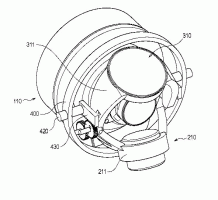
Canon has filed patent applications for a switchable 1.4x-2x TC, essentially a 1.4x with a second 1.4x that flips out. Not sure it will become a product, but Canon is certainly thinking about such an optic.Every mount seems to have people who think including a 1.4x and 2x TC in the same lens would somehow be easy. It's not. The only way it might happen is if a single TC can be used for both. Either with a zoom function of sorts, or by having some subset of the elements work for 1.4x and the full set of elements work for 2x. Neither seems particularly likely.


Upvote
0


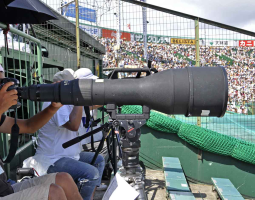


 Useful for a safari, for sure. But for which sport would one use a lens like this?
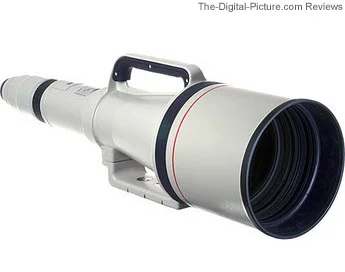




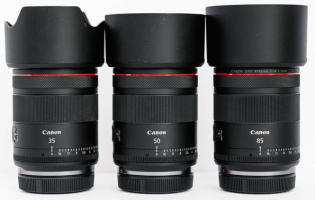

 Is there any lens around with such a design feature? I couldn't find one with my quick google search.