
You are using an out of date browser. It may not display this or other websites correctly.
You should upgrade or use an alternative browser.
You should upgrade or use an alternative browser.
Show your Bird Portraits
- Thread starter 1982chris911
- Start date


Don't you worry about you camera and lens getting destroyed if you flip over?Yes Alan. That's a very good way to approach birds and I love the low level effect for my picture.
...And that way, I can enjoy kayaking and photography at the same time.
Upvote
0

No, I've been kayaking for more than 25 years, I have never capsized other than intentionally when I did my training.
I only take my gear in calm water.
Likewise. Choice of kayak is also important, some are more stable than others. I kayak on a large lake that is seldom calm so I usually take no more than a good point and shoot or smart phone, always with a dry bag so I can put it away when not in use. I take the dry bag even in the sailboat or motor boat, because you never know.
Upvote
0
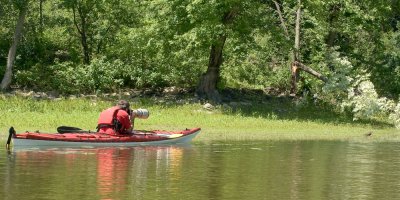


You call that "work"!Of course. Here you can see myself at work. It's a 17 ft sea kayak.
View attachment 199639
Jack
Upvote
0

Well lifting that lens all day long is no easy job Jack.You call that "work"!
Jack

Upvote
0
Love it, Click. Well done!
Upvote
0
Absolutely agree kayak choice is important. I have a 13' recreational kayak that I take out mostly on the bay. Only once was it bad enough where I had to stow the camera in the dry bag because water was super choppy. Not even close to tipping, but just too much splash and spray.Likewise. Choice of kayak is also important, some are more stable than others. I kayak on a large lake that is seldom calm so I usually take no more than a good point and shoot or smart phone, always with a dry bag so I can put it away when not in use. I take the dry bag even in the sailboat or motor boat, because you never know.
Upvote
0
Upvote
0

Nice shot Alan!Just for you, a flying Brown Noddy. And at the risk of being thrown out of CR, I took this with a Sony RX10 IV superzoom bridge camera. Interestingly, Sony hasn't brought out a new model in 4 years and it remains their flagship in its class. They did do a firmware upgrade so it has has eyeAF at 20 fps with the AF from the A9. I use it only very rarely but a high quality 24-600mm zoom is a very handy piece of kit.
View attachment 199631
But makes me a headache: it is not a Brown Noddy (or any other noddy/tern, at least in my opinion...). See the transition from the forehead to the bill: there are small feathers there that are missing in the Noddy. I would like to see this bird from different angels for more info but what I see here are relatively broad wings. The grayish-white forehead/head are not there too (not easy to evaluate because of the backlit). And all the posture/configuration of the bird was screaming "no, not a Noddy" at a first glance
 . I would bet for some See Gull or even(?) a dark form of Jaeger (sometimes the Jaegers are missing the central, long feathers of the tail). The relative size of the bird and where you took the photo would be helpful too (sorry - I tend to go after things that I don't understand, if you have no other photos of the bird - forget it!).
Upvote
0
Always (huh, if I can)!Nice shot, ISv.
I did my homework. This is a picture from yesterday morning. The bird is in direct sunlight. (Early morning light)
Thank you usern4cr, Alan.and ISv for your help.
View attachment 199633
Upvote
0
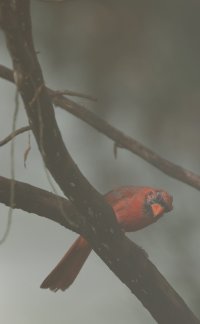
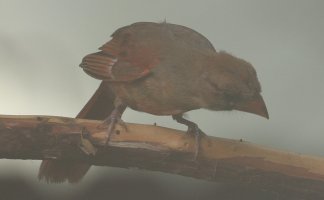
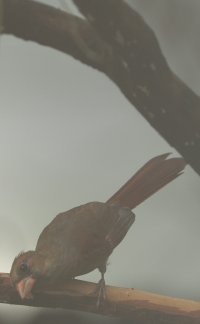
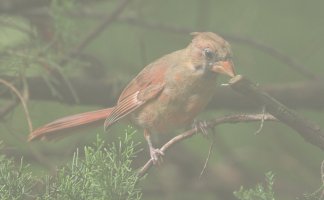
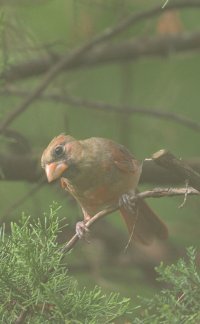

Just wait for your lens and the ambient temperature to equalize and the condensation will dissipate.
The problem is the difference in temp between the ambient air and the lens, take steps to get the lens to the ambient temp before you want to use it. Condensation is especially bad when the two are very different, so when the lens has been in an air conditioned cool environment of a vehicle or home etc and it is taken outside into a much warmer airmass.
The problem is the difference in temp between the ambient air and the lens, take steps to get the lens to the ambient temp before you want to use it. Condensation is especially bad when the two are very different, so when the lens has been in an air conditioned cool environment of a vehicle or home etc and it is taken outside into a much warmer airmass.
Upvote
0

This for sure!!!Just wait for your lens and the ambient temperature to equalize and the condensation will dissipate.
The problem is the difference in temp between the ambient air and the lens, take steps to get the lens to the ambient temp before you want to use it. Condensation is especially bad when the two are very different, so when the lens has been in an air conditioned cool environment of a vehicle or home etc and it is taken outside into a much warmer airmass.
When I am shooting up north in the winter for extended trips I always arrange to have my gear left out in the temp I am going to be dealing with. Never had an issue as long as the gear stays dry and it does not hit -40
Oh and keep the batteries warm.
Upvote
0
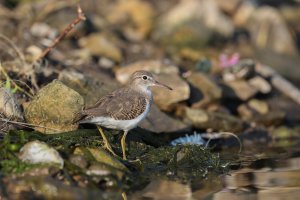

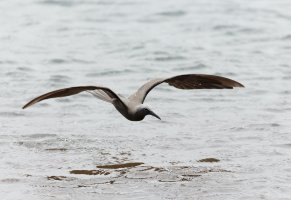
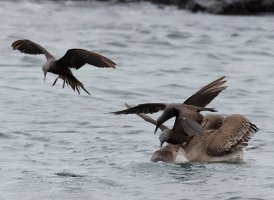
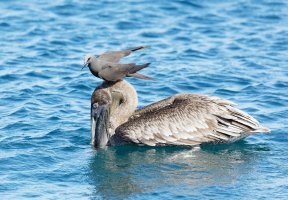
As an act of contrition, here are a genuine flying Brown Noddy and some Brown Noddies steailng fish from a Pelican. 5DSR + 100-400mm II.Nice shot Alan!
But makes me a headache: it is not a Brown Noddy (or any other noddy/tern, at least in my opinion...). See the transition from the forehead to the bill: there are small feathers there that are missing in the Noddy. I would like to see this bird from different angels for more info but what I see here are relatively broad wings. The grayish-white forehead/head are not there too (not easy to evaluate because of the backlit). And all the posture/configuration of the bird was screaming "no, not a Noddy" at a first glance

Upvote
0
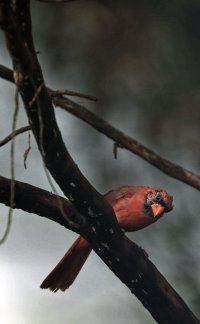
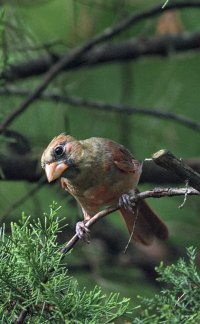
I can't see any lens fog.on a humid day, what's the best way to get rid of lens fog?
View attachment 199645View attachment 199646View attachment 199647View attachment 199648View attachment 199649
Upvote
0
As an act of contrition, here are a genuine flying Brown Noddy and some Brown Noddies steailng fish from a Pelican. 5DSR + 100-400mm II.
Very nice shots, Alan. I really like the last one. Very funny!
Upvote
0
Similar threads
- Replies
- 118
- Views
- 99K
