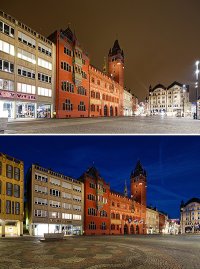
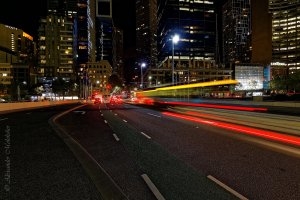
Well, I mean a dark, dark blue instead of the current muddy grey / orange tint it has now. I wasn't trying to be sarcastic, apologies if I come accros that way. Or would your preference be black? I was experimenting with some astro stuff lately and in those long exposures, the night sky does get blue, so that seems to me the most natural choice. After all, when cleaning up this stuff in post, it is altering reality anyway. To my eye at least, the sky there really looks pretty dirty.SecureGSM said:No, nigth skies not supposed to be blue. Do not get sarcastic. The "yellow light" can and needs to be dealt with. This is typical sodium Vapour street lighting that kills everything. It is easy to correct in post. You need to pay attention though.
What would you recommend to clean it up? Masking and adjusting tint and saturation until it feels right or is there a proper method?
On a side note, a totally different question: Does the amount of thermal noise you gather when exposing for longer periods of time vary from camera to camera? With the T3i, I find that to be a deal more distracting than the fixed pattern Noise once I expose for more than 30 seconds. From 60 seconds up, it doesn't even require any shadow pushed or sharpening to ruin the image. Is that something that a 80D or 6DII would handle better? Is it something where the larger Pixels of a full frame body help?
Not something I need to often, its more a question out of curiosity. It's hardly something that's affected by the lack of on chip ADC, so is it something where the newer 6DII sensor might still have improved?
Upvote
0