
You are using an out of date browser. It may not display this or other websites correctly.
You should upgrade or use an alternative browser.
You should upgrade or use an alternative browser.
Anything Shot with a 7D MII
- Thread starter Crapking
- Start date


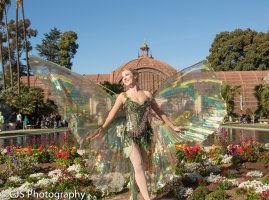


ReggieABrown said:This is the bar that Ben Affleck and his sister owned in the movie Gone Girl.
Shot with a 7d mark ii with the 24mm f2.8 pancake lens.
Reggie A Brown Cinematic Pictures
To see more visit me on flickr. www.flickr.com/photos/reggieabrown
I like your style. Some great photos on your flickr account
Upvote
0

I see a lot of enthusiasm in these shots, but I also get the sense that the camera has a steep learning curve, or that photographers here are timid about exposing to the right.
With some notable exceptions in very bright daylight, too many of these shots, posted up to this point, are a bit underexposed. Also, some have been cropped way too extreme, and even with good lenses, such as Gareth's 300mm 2.8, we begin to see too high of an expectation, and the quality of the image is poor, getting perilously close to captures from a high-quality surveillance camera.
Some of the indoor shots, especially, were simply demanding too much from the camera, and the flat, dull lighting even at ISO 4000 f/1.2 was not overcome when trying to stop motion. Rather than showing off what the camera can do, we see its understandable limitations under low light--but this is very helpful in keeping expectations down to earth. Natural light photographers, or those who insist on going for it in poor lighting because of practical considerations, sometimes just have to get by with lousy light, but it ain't pretty to look at.
I'm not trying to be provocative or insulting, just sharing an opinion. I'm seeing some of the same issues with shots from the new 100-400mm on any camera--folks are apparently exposing a bit to the left to try to up the shutter speed and dodge the effects of higher ISO's (overcoming the relatively slow f/5.6).
I know the results are going to get better and better. 8)
A great example of generally excellent exposure is in the thread started by TexPhoto:
http://www.canonrumors.com/forum/index.php?topic=25436.msg502761;topicseen#new
(Note that a dazed and confused poster with a 5DIII put some in the mix on that thread. Surfers!)
But every shot posted here has contributed to our understanding of this wicked little speed demon, the 7DII.
With some notable exceptions in very bright daylight, too many of these shots, posted up to this point, are a bit underexposed. Also, some have been cropped way too extreme, and even with good lenses, such as Gareth's 300mm 2.8, we begin to see too high of an expectation, and the quality of the image is poor, getting perilously close to captures from a high-quality surveillance camera.
Some of the indoor shots, especially, were simply demanding too much from the camera, and the flat, dull lighting even at ISO 4000 f/1.2 was not overcome when trying to stop motion. Rather than showing off what the camera can do, we see its understandable limitations under low light--but this is very helpful in keeping expectations down to earth. Natural light photographers, or those who insist on going for it in poor lighting because of practical considerations, sometimes just have to get by with lousy light, but it ain't pretty to look at.
I'm not trying to be provocative or insulting, just sharing an opinion. I'm seeing some of the same issues with shots from the new 100-400mm on any camera--folks are apparently exposing a bit to the left to try to up the shutter speed and dodge the effects of higher ISO's (overcoming the relatively slow f/5.6).
I know the results are going to get better and better. 8)
A great example of generally excellent exposure is in the thread started by TexPhoto:
http://www.canonrumors.com/forum/index.php?topic=25436.msg502761;topicseen#new
(Note that a dazed and confused poster with a 5DIII put some in the mix on that thread. Surfers!)
But every shot posted here has contributed to our understanding of this wicked little speed demon, the 7DII.
Upvote
0

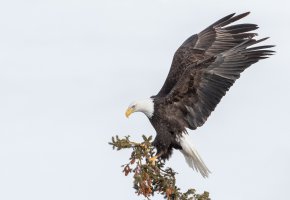
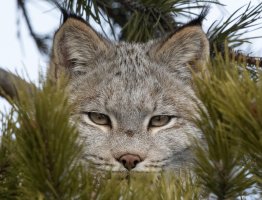
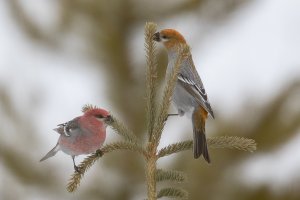


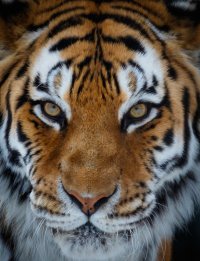
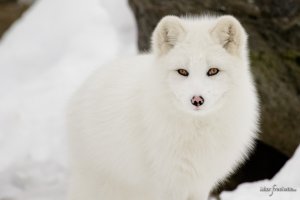
Great photos. I very much the first one!arbitrage said:Here are a few shots with the 7D2.
Upvote
0

YuengLinger said:I see a lot of enthusiasm in these shots, but I also get the sense that the camera has a steep learning curve, or that photographers here are timid about exposing to the right.
With some notable exceptions in very bright daylight, too many of these shots, posted up to this point, are a bit underexposed. Also, some have been cropped way too extreme, and even with good lenses, such as Gareth's 300mm 2.8, we begin to see too high of an expectation, and the quality of the image is poor, getting perilously close to captures from a high-quality surveillance camera.
Some of the indoor shots, especially, were simply demanding too much from the camera, and the flat, dull lighting even at ISO 4000 f/1.2 was not overcome when trying to stop motion. Rather than showing off what the camera can do, we see its understandable limitations under low light--but this is very helpful in keeping expectations down to earth. Natural light photographers, or those who insist on going for it in poor lighting because of practical considerations, sometimes just have to get by with lousy light, but it ain't pretty to look at.
I'm not trying to be provocative or insulting, just sharing an opinion. I'm seeing some of the same issues with shots from the new 100-400mm on any camera--folks are apparently exposing a bit to the left to try to up the shutter speed and dodge the effects of higher ISO's (overcoming the relatively slow f/5.6).
I know the results are going to get better and better. 8)
A great example of generally excellent exposure is in the thread started by TexPhoto:
http://www.canonrumors.com/forum/index.php?topic=25436.msg502761;topicseen#new
(Note that a dazed and confused poster with a 5DIII put some in the mix on that thread. Surfers!)
But every shot posted here has contributed to our understanding of this wicked little speed demon, the 7DII.
Actually I agree with you. To me the 7d2 does seem to underexpose more. Might be due to the metering layout and sensor size. I am frequently having to over expose about a stop to get the metering right. I sent mine back (mirror box and AF sensor replacement) and it got a factory recalibration but underexposure was the same upon its return. So it seems that is the way it is.
Many photographers just get lazy and rely on the metering to do its job. However the camera meter is just a reference not an absolute. It's up to the photographer to EC based on the subject, background, and lighting.
On my 5d3 I replaced the focus screen with a super fine screen which reduces the light on the metering sensor by about 1/2 stop. This ended up being a plus as it got me closer to the ETTR values without having to do anything. Other than during exposure extremes, it was like getting 1/2 stop better noise reduction and truely that is what the goal of ETTR is.
Upvote
0
East Wind Photography said:YuengLinger said:I see a lot of enthusiasm in these shots, but I also get the sense that the camera has a steep learning curve, or that photographers here are timid about exposing to the right.
With some notable exceptions in very bright daylight, too many of these shots, posted up to this point, are a bit underexposed. Also, some have been cropped way too extreme, and even with good lenses, such as Gareth's 300mm 2.8, we begin to see too high of an expectation, and the quality of the image is poor, getting perilously close to captures from a high-quality surveillance camera.
Some of the indoor shots, especially, were simply demanding too much from the camera, and the flat, dull lighting even at ISO 4000 f/1.2 was not overcome when trying to stop motion. Rather than showing off what the camera can do, we see its understandable limitations under low light--but this is very helpful in keeping expectations down to earth. Natural light photographers, or those who insist on going for it in poor lighting because of practical considerations, sometimes just have to get by with lousy light, but it ain't pretty to look at.
I'm not trying to be provocative or insulting, just sharing an opinion. I'm seeing some of the same issues with shots from the new 100-400mm on any camera--folks are apparently exposing a bit to the left to try to up the shutter speed and dodge the effects of higher ISO's (overcoming the relatively slow f/5.6).
I know the results are going to get better and better. 8)
A great example of generally excellent exposure is in the thread started by TexPhoto:
http://www.canonrumors.com/forum/index.php?topic=25436.msg502761;topicseen#new
(Note that a dazed and confused poster with a 5DIII put some in the mix on that thread. Surfers!)
But every shot posted here has contributed to our understanding of this wicked little speed demon, the 7DII.
Actually I agree with you. To me the 7d2 does seem to underexpose more. Might be due to the metering layout and sensor size. I am frequently having to over expose about a stop to get the metering right. I sent mine back (mirror box and AF sensor replacement) and it got a factory recalibration but underexposure was the same upon its return. So it seems that is the way it is.
Many photographers just get lazy and rely on the metering to do its job. However the camera meter is just a reference not an absolute. It's up to the photographer to EC based on the subject, background, and lighting.
On my 5d3 I replaced the focus screen with a super fine screen which reduces the light on the metering sensor by about 1/2 stop. This ended up being a plus as it got me closer to the ETTR values without having to do anything. Other than during exposure extremes, it was like getting 1/2 stop better noise reduction and truely that is what the goal of ETTR is.
What about the 7DII's histogram?
My 5DIII needs +2/3 - 1 EC most lenses. I think my 135mm needs the most +EC.
Upvote
0

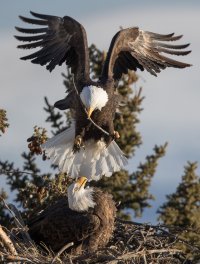
Me, too! The bobcat is incredible at the 1920mm effective FL!DominoDude said:Incredible, Arbitrage!arbitrage said:Here are a few shots with the 7D2.
I love them all.
Upvote
0
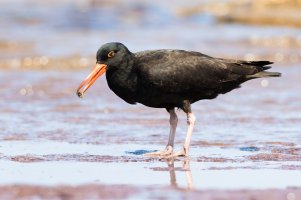
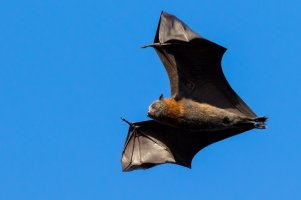
Here's a sooty oystercatcher, and a bat in flight. I'm thoroughly enjoying this camera. Both with 400mm 5.6, at 1/2000, 7.1, iso 800. The bats are tricky.
I've been trying some shots at iso 800, rather than my go-to 400. Seems good so far. There is still plenty of DR to play with.
I've been trying some shots at iso 800, rather than my go-to 400. Seems good so far. There is still plenty of DR to play with.
Attachments
Upvote
0

With regards thw 7D MkII metering, it is very easy to work out what your meter is doing and where your exposure is.
First things first, take a picture of any even toned subject (wall, grass, black card, grey card, white card, it doesn't matter) in any auto mode, best to turn AF off and manually defocus as far as possible. Where is the histogram? The peak should be 1/2 stop below center (12%). If it is lower your camera is underexposing, if it is higher your camera is over exposing. Done.
First things first, take a picture of any even toned subject (wall, grass, black card, grey card, white card, it doesn't matter) in any auto mode, best to turn AF off and manually defocus as far as possible. Where is the histogram? The peak should be 1/2 stop below center (12%). If it is lower your camera is underexposing, if it is higher your camera is over exposing. Done.
Upvote
0

patrickfd said:The settings for this picture were
1/60 sec
F 4.0
ISO 12,800
67 mm on my EF 24-105
No flash
I raised the ISO because I didn't like the pictures I was taking with a flash.
Very nice shot, Patrick. Well done.
Upvote
0
Click said:patrickfd said:The settings for this picture were
1/60 sec
F 4.0
ISO 12,800
67 mm on my EF 24-105
No flash
I raised the ISO because I didn't like the pictures I was taking with a flash.
Very nice shot, Patrick. Well done.
Thank you. It was in manual mode
Upvote
0
Similar threads


D
- Replies
- 32
- Views
- 4K


