Thing is 400mm is usually short for birds in flight. I find 500-640 a good balance.
First 640mm lens I had was the original 70-200mm L 2.8 with a 2x extender with 40d just struggled without a stabiliser and the shots were a little soft. Bought a 70-200mm MKII IS and it's great with a 2x extender just never got on with the 7D kept it about 2 months the IQ just wasn't what I expected. I bought the 5D MKIII and that combo has worked well for me it's a very versatile 2.8 from 70-200, 110-320 f4 with a 1.4x and 140-400mm f5.6 with a 2x. I find the AF is a little slower with the 2x but it's definetely usable. I've shot Motorsport and wildlife because it gives you such a vast range and got some epic shots used in newspapers etc.
The 70-200mm MKII with a 2x gives you slightly better results than 100-400mm MKI at 400mm.
Currently traveling north and South America and brought the 70-300mm L because it's a great size and great IQ I've been to some incredible places for wildlife - Amazon, colca canyon, smoky mountains many many national parks etc and got some great shots but 300 just isn't long enough with the 5D for most birds and wildlife. With a crop it would be nice but the IQ of crop for me... I'm spoilt with the 5D now.
I have an upcoming trip to Africa and I'm in the same situation. From my research the best option is the 500mm F4 L MKI because you can get them in the uk for 4.5k-5.5k and apart from weight and IS the MKII isnt a huge upgrade. I would say this lens will be mounted to a tripod so the IS won't be beneficial.
I would love one but they are just so big heavy and primes aren't as versatile. I also have thought about the 400mm F5.6 because it's just a bargain and with wildlife especially birds in flight I usualy turn IS off because of the 1/1000+ shutter speed.
But I've decided for price and range the tammy 150-600mm is what I'm going to try on my 5D. It performs better than the 100-400mm MKI throughout the range, pretty good up to 500mm 600 a little soft but seems to work really well on full frame and 500-600 is a good length. With it being £700 it's £4000 cheaper. To add to it I have the 70-300 and the 70-200mm with 2+1.4 ex.
People who say extenders are useless... Most wildlife photographers even with the big whites use them a huge amount of time. Check this vid
http://youtu.be/XKz7busHsfQ
Also here are a few pics I've taken with the 70-200 with 2x
 BMW CSL 1973, Batmobile, Colin Turkington, Jet Super Touring Car Trophy, Silverstone Classic 2014
 by
TomScottPhoto, on Flickr
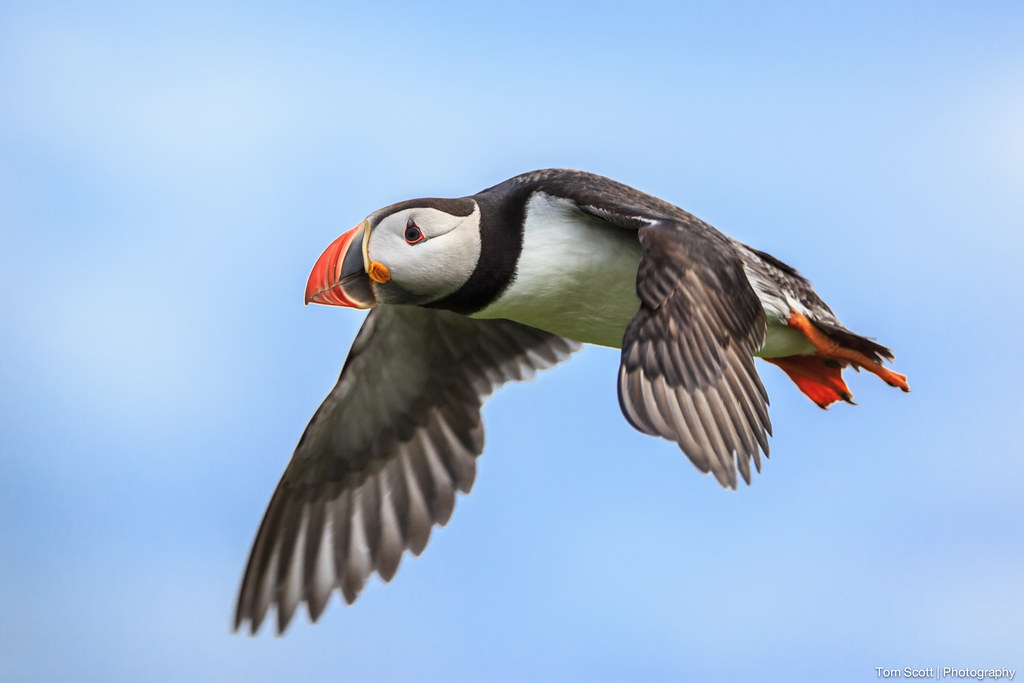 Puffin in flight, Cliffside, Inner Farne, Farne Islands
 by
TomScottPhoto, on Flickr
 Sunbathing Lamb, Lowther Estate, Penrith Cumbria
 by
TomScottPhoto, on Flickr
 Grey Seal, Farne Islands, Seahouses, UK
 by
TomScottPhoto, on Flickr
Here are a few from my 70-300mm
 Red Tailed Hawk, Cades Cove, Smoky Mountains
 by
TomScottPhoto, on Flickr
 Winter Wren in the snow, Cades Cove, Smokey Mountains,Tennessee
 by
TomScottPhoto, on Flickr
But really wish I had 400mm in many of my 70-300mm sits all are crops.
One thing I have learned is to improve technique and do your homework on your subject. 2-3 steps = 100mm getting closer and knowing how can help you reduce cost of gear, reduce your weight and make your experience a huge amount better!
For example birds always face into the wind because they don't like their feathers being ruffled and it means less damage to plumage. Being on the right side of the bird and knowing behaviour can really aid and guarentee you get the face so facing down wind and waiting is a good strategy. Also hunting techniques, camo etc is really important. In terms of ISO and F number, being on the right side of the bird is really important, a good rule is to always have the sun behind you and have your shadow pointing at the subject to give the best contrast, this not only aids with focus but hard light = sharp images soft light = soft images. Having your shadow pointing directly at the subject means you can shoot 15-20deg either side of the subject and not worry about hard shadows meaning pulling them out in post. Also less reliance on fast primes, and high ISO because the sun is where you want it. Also I find on full frame I usualy stick to F8 to get enough DOF, if you check the performance of any of the whites at f8 you will find they all perfom similarly... So could save you money if that's how you shoot.
Many people say being at the right place at the right time and luck is involved but also instead of getting stuck in right away and panicking get there earlier and watch and survey then when the light comes you will have worked out the best place to be sit and wait and hope your subject plays ball!