
You are using an out of date browser. It may not display this or other websites correctly.
You should upgrade or use an alternative browser.
You should upgrade or use an alternative browser.
Show your Bird Portraits
- Thread starter 1982chris911
- Start date





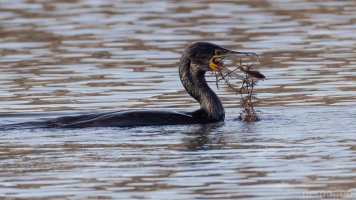
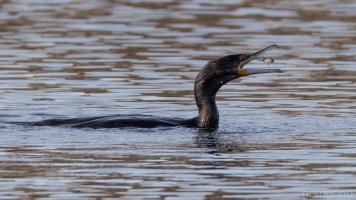
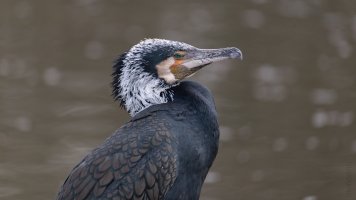
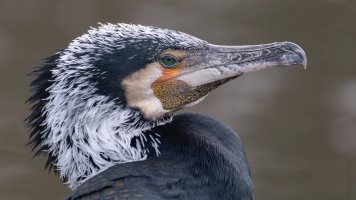

What is the time difference between #1 and #2? I just wonder how it separated the fish from the algae.Great Cormorant with snack
R5m2 + RF 200-800 + 1.4TC
View attachment 228391
View attachment 228390
And a portrait of (probably) the subspecies Phalacrocorax carbo sinensis
R5m2 + RF 200-800
original width
View attachment 228392
and a QHD crop (3840x2160)
View attachment 228393
Because the photos are from Germany - yes, for me 99.99% it's P.c. sinensis. The difference in the plumage between the firs two and the last two photos is the age probably: they get breeding plumage (in the right season!) at minimum 2 years old. Another, low probability, is that the bird in the first two photos still is not converting from non-breeding to breeding plumage. The last shot is great with the detail and the background!
Edited: where in Germany did you take that shots #1 and 2?!!
Last edited:
Upvote
0
Three seconds!What is the time difference between #1 and #2? I just wonder how it separated the fish from the algae.
Or different populations: one staying and one migrating, here are more cormorants in the winter.The difference in the plumage between the firs two and the last two photos is the age probably:
I have taken all three pictures in the west of Germany close to the Netherlands.Edited: where in Germany did you take that shots #1 and 2?
Only a few 100 meters and two hours between both animals .
Upvote
0
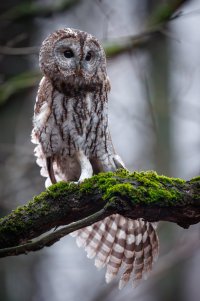
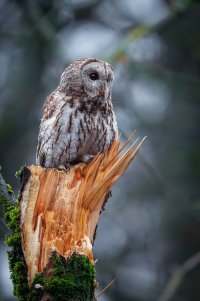
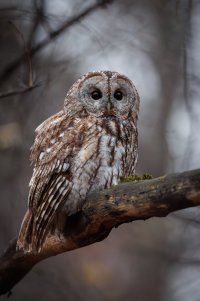

Great shots, especially under that circumstances!R1+RF600/4, Strix aluco. Extreme low light, handheld shooting, ISO 20k, 1/15
View attachment 228436 View attachment 228437 View attachment 228438
Upvote
0
Yesterday afternoon the rain finally stopped (the Parakeet photo) . No rain today but it starts tomorrow night again.
Some Pacific Golden Plovers are in breeding plumage already! And Common myna: nothing else to shoot !
!
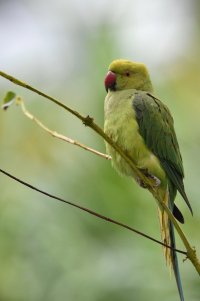
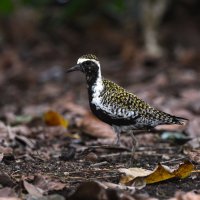
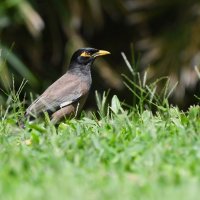
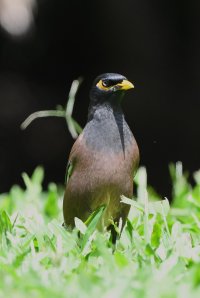
Some Pacific Golden Plovers are in breeding plumage already! And Common myna: nothing else to shoot
!
Upvote
0

Similar threads

- Replies
- 118
- Views
- 99K
