
You are using an out of date browser. It may not display this or other websites correctly.
You should upgrade or use an alternative browser.
You should upgrade or use an alternative browser.
Show your Bird Portraits
- Thread starter 1982chris911
- Start date

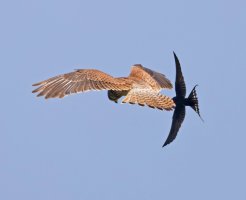
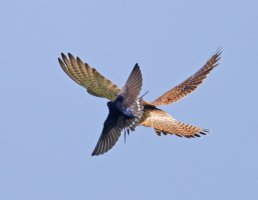
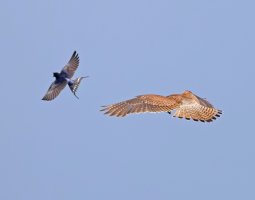

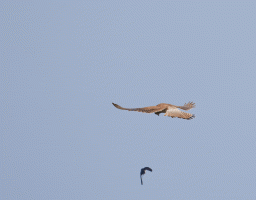

Kestrel doesn't look intimidatedAnimated gifs show the fun better.View attachment 230387View attachment 230388

Upvote
0
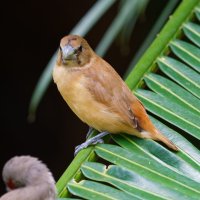
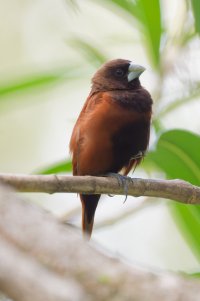
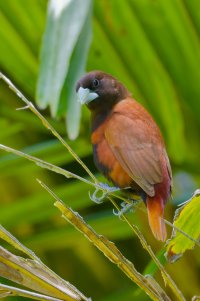
Today it was all about the Chestnut Munia!
First photo full adult, second very young bird (bill is black, more brownish feathers), third, two photos, also young but the bill already not black; showing some black spots on the head and by far more red feathers. This one was posing best today
The last one is an old photo of more matured bird - very confusing for not well prepared visitor-birders plumage (but all Chestnut Munias go in that step, with high variability!). That is ~the last step before the adult plumage.
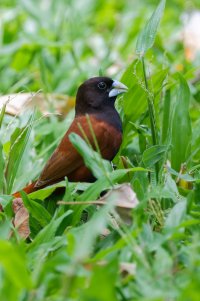
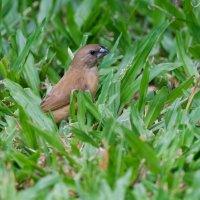
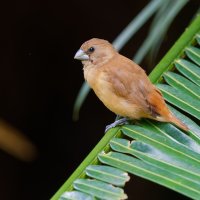
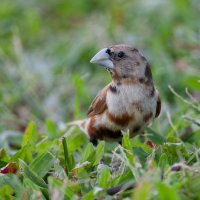
First photo full adult, second very young bird (bill is black, more brownish feathers), third, two photos, also young but the bill already not black; showing some black spots on the head and by far more red feathers. This one was posing best today
The last one is an old photo of more matured bird - very confusing for not well prepared visitor-birders plumage (but all Chestnut Munias go in that step, with high variability!). That is ~the last step before the adult plumage.
Upvote
0
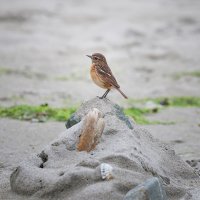
A few photos taken with a Canon or an Olympus.
The first two and the last one are a few years old; the other photos were taken recently.
 Alcedo atthis by Helmut Gloor, auf Flickr
 Haubentaucher by Helmut Gloor, auf Flickr
 Graureiher by Helmut Gloor, auf Flickr
 Erfolgreiche Jagd by Helmut Gloor, auf Flickr
 Familienausflug by Helmut Gloor, auf Flickr
 Wasseramsel by Helmut Gloor, auf Flickr
The first two and the last one are a few years old; the other photos were taken recently.
Alcedo atthis by Helmut Gloor, auf FlickrHaubentaucher by Helmut Gloor, auf FlickrGraureiher by Helmut Gloor, auf FlickrErfolgreiche Jagd by Helmut Gloor, auf FlickrFamilienausflug by Helmut Gloor, auf FlickrWasseramsel by Helmut Gloor, auf Flickr
Upvote
0



Juvenile American Robin and Male House Finch
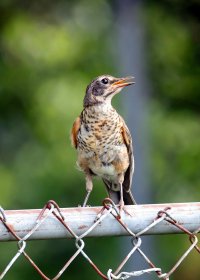
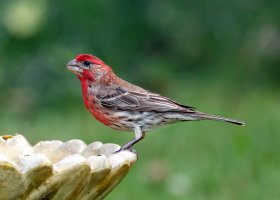
R5MkII and 200-800 @ 800
R5MkII and 200-800 @ 800
Last edited:
Upvote
0

GMCPhotographics
Canon Rumors Premium
Here's few more owls from the Scottish Owl Sanctury
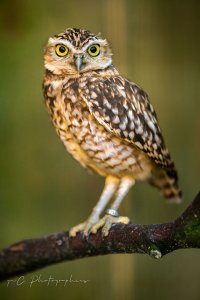
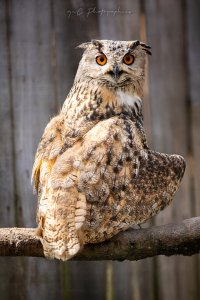
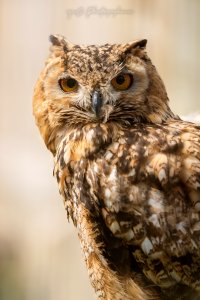
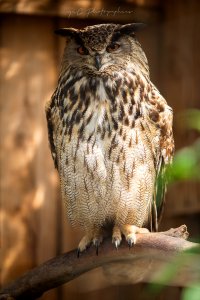
R6III ef 400mm f2.8 LIS II.
R6III ef 400mm f2.8 LIS II.
Upvote
0
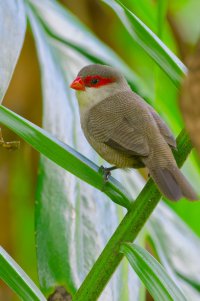
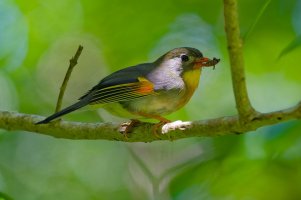
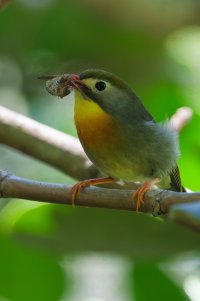
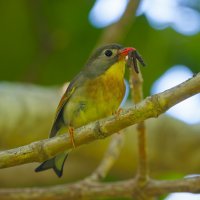
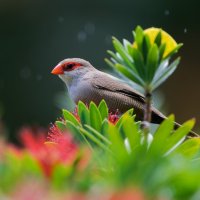
The goal today was to find some Oahu Amakihi (hiking a trail where they are present!) - didn't see any (but heard at list twice). Instead here is what the Red-billed Leiothrix is feeding their very young fledglings: First a male with kind of fruit, little bit later the female came with an insect. Just 3-5 minutes after they disappeared they came again, again the male first with a moth and female with larvae (caterpillars?). The last one is from yesterday, just a Common Waxbill.
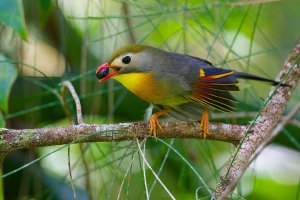
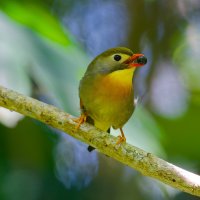
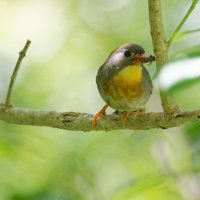
Upvote
0
Our house wrens have finished with this season's first round of offspring production and are working on tidying things up for round two.
Googling 'do house wrens spit out nesting material' leads (in part) to this:
"Yes, House Wrens actively remove nesting material, but they do it to clean and maintain the nest rather than spitting it out. Adult wrens regularly carry old twigs, soiled materials, and fecal sacs in their beaks and drop them well away from the nest to maintain sanitation and prevent attracting predators."
R5MkII and 200-800
5 images and 1 gif
image #1 of 19:
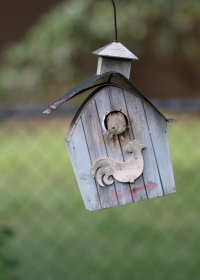
=====
Image #2 of 19
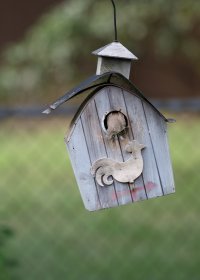
=====
Image #7 of 19
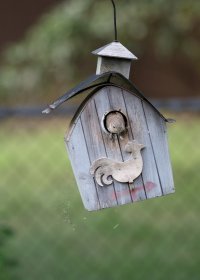
=====
Image #9 of 19
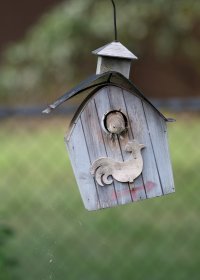
=====
Image 19 of 19 (in the gif that follows)
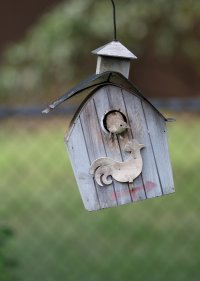
=====
...as shown in the second image, the bird rotates its head as it ejects nesting material from its beak (look carefully at image #2).
The gif of all 19 images (lapsed time 0.66 seconds):
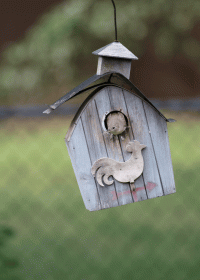
Googling 'do house wrens spit out nesting material' leads (in part) to this:
"Yes, House Wrens actively remove nesting material, but they do it to clean and maintain the nest rather than spitting it out. Adult wrens regularly carry old twigs, soiled materials, and fecal sacs in their beaks and drop them well away from the nest to maintain sanitation and prevent attracting predators."
R5MkII and 200-800
5 images and 1 gif
image #1 of 19:
=====
Image #2 of 19
=====
Image #7 of 19
=====
Image #9 of 19
=====
Image 19 of 19 (in the gif that follows)
=====
...as shown in the second image, the bird rotates its head as it ejects nesting material from its beak (look carefully at image #2).
The gif of all 19 images (lapsed time 0.66 seconds):
Upvote
0
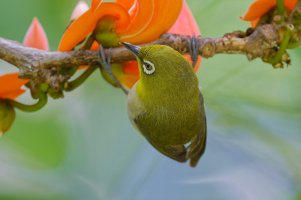
Few minutes in my favorite botanical garden and I saw something interesting: The Warbling white-eyes rarely forage on the ground! On that spot there were 1-2 adults at one time! Until I spotted that little punk I didn't know what is going on... It was able to fly 4-6 meters only and was trying to get on any trunk of a tree to get up from the ground (good instinct: with all mongoose present around it's chances to survive were zero!). Few unsuccessful attempts on vertical trunks and finally it climbed a trunk staying tilted ~60 degrees from the ground. It's when I left it alone.
After that that fledgling White-rumped Shama: I spent so much time to look it as independently foraging for insects and even (but very quiet!!!) to sing something +/- similar to the adults (definitely not that begging call typical for fledglings!!). In between the two occasions - Java Sparrow.
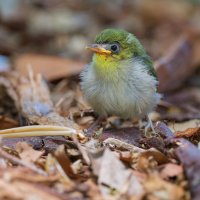
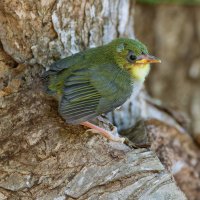
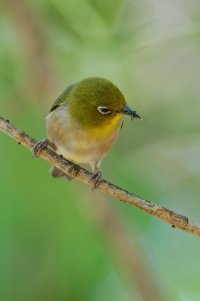
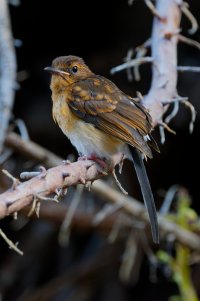
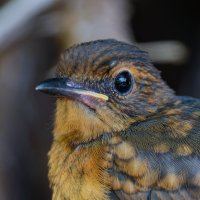
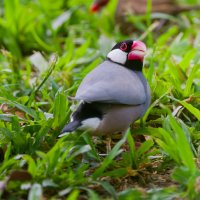
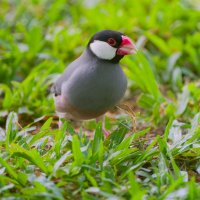
After that that fledgling White-rumped Shama: I spent so much time to look it as independently foraging for insects and even (but very quiet!!!) to sing something +/- similar to the adults (definitely not that begging call typical for fledglings!!). In between the two occasions - Java Sparrow.
Upvote
0
Similar threads

- Replies
- 118
- Views
- 99K
