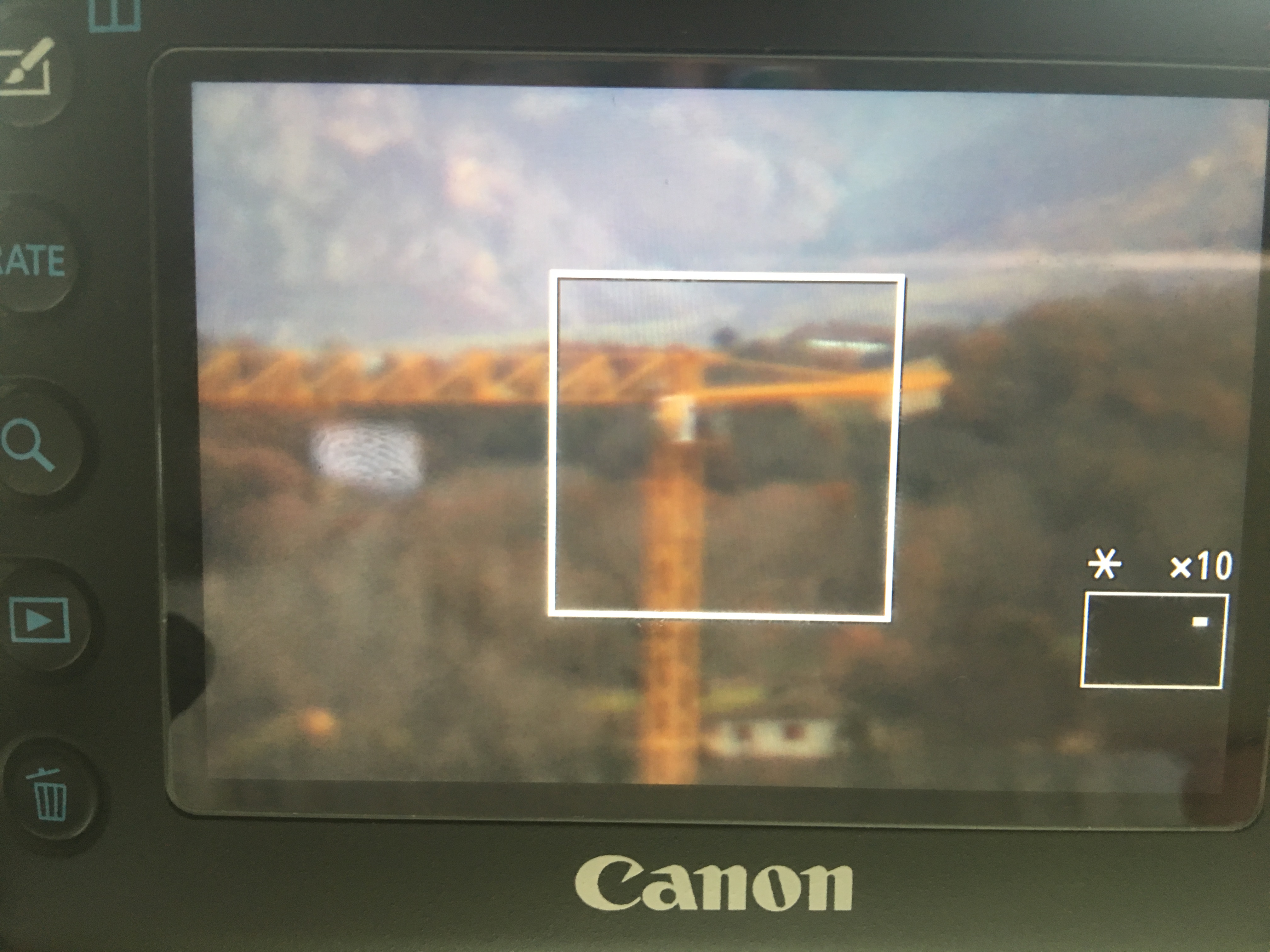
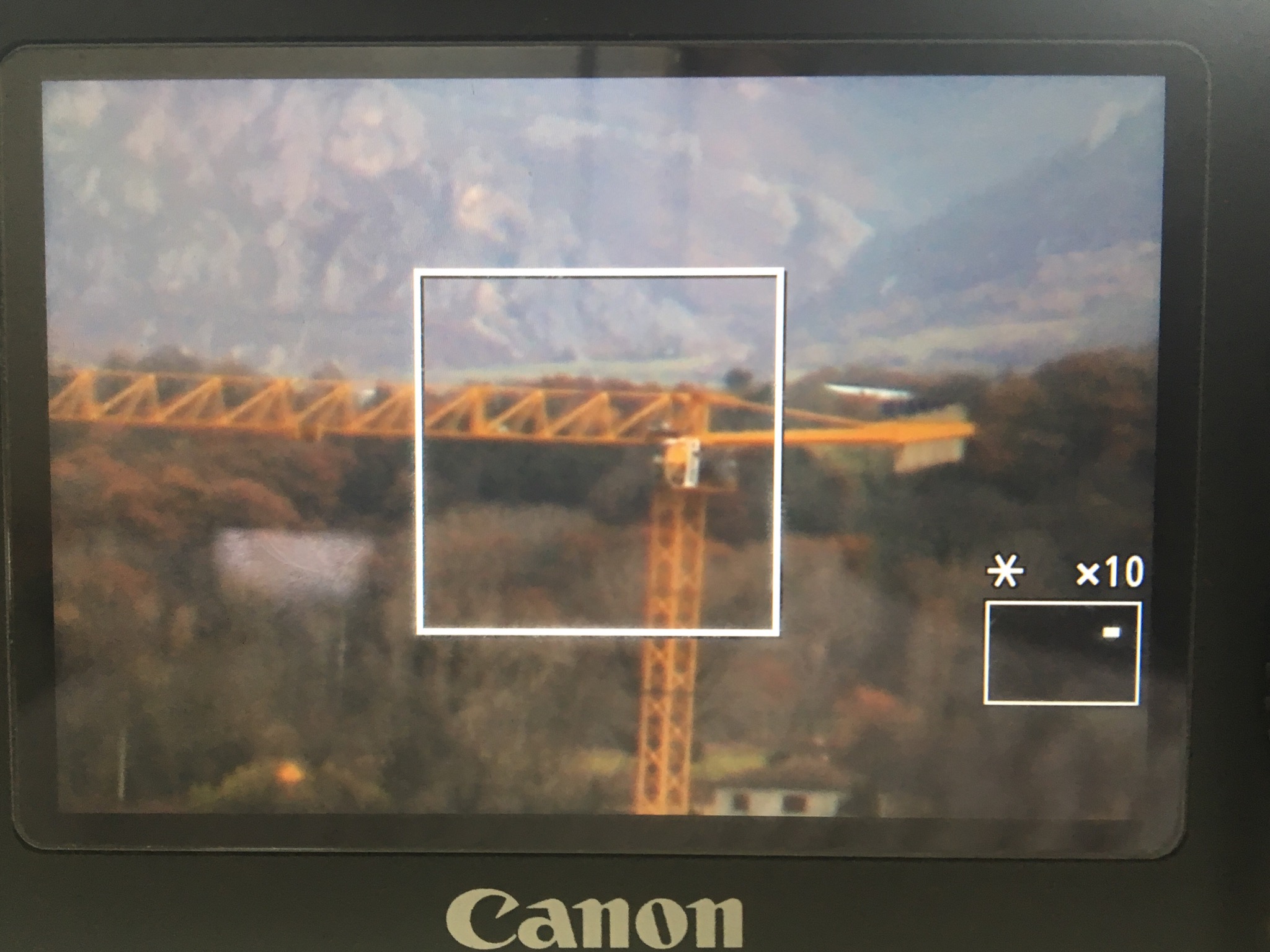
5Dsr MP-E 65 z-stacking experiments.

Alejandro said:Zeidora said:malus said:@zeidora: I seem to understand form your comments that you are proper microscopist but I don't want to bother other readers with technical stuff.
I am interested in monitoring crystals during solid-state reactions. In some case these occur by varying temperature, in other cases by exposing crystals to humidity, pressure, or different gasses including HCl and ammonia, through the use of special cells that I have designed. Now for some reason people don't want me to use HCl in their ESEM :-X.
Being more serious most of these reactions produce a change of the crystal colour that electron microscopy cannot reveal.
Anyway if as you shouw above the lens resolution is the limiting factor then the test results of DoX mark suggest that I'm better off with a 6D or 5D and an extender than the 5DS(r).
Yep, no HCl in "my" SEM either! I only brought up SEM because you mentioned TEM. Still waiting for the color SEM as well.
Re 5D vs 5Ds[R], does not matter really. Either you use the 5DsR and get low mag, high MP image, or you use 5D ... and get higher mag, lower MP image. The structure will be shown at the same pixel dimensions at the edge of resolution, once you factor in absolute pixel size.
So, you're saying that in between a 5DsR and a 5D2/5D are the limits, ¿any camera in between (6D, 6D2, 5D4) would just balance the quality/diffraction/magnification?
precisely. Optical resolution is measured of how small an object structure (two points/lines separated between x µm) can be recognized as distinct. There is the contrast issue added in and that is what MTF tells you. Keeping object contrast the same, then either you can use a low overall magnification (say 4:1) on a high MP body with small pixels (say 5DsR), or you can use an overall higher magnification (say 7:1) on a lower MP body with larger pixels (say 5D2) to reach the resolution limit of the lens. Going above 4:1 on a 5DsR is futile, because you only blur circles over many pixels, but not additional information. That is what the beginning of this thread was all about.
With crop bodies, the small pixel size vs small sensor size sort of cancel each other out.
The above is not fully mathematically exact, but gets us into the ball park, and we can avoid doing futile exercises (e.g., going to 10:1 with MPE65 & 2xTC on 5DsR).
That is why I suggested microscope objectives for your 0.5 mm crystals to begin with.
Upvote
0