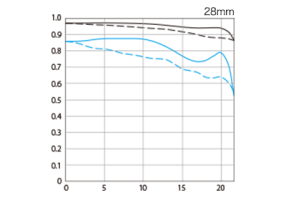
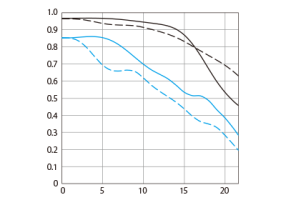
I'm very interested in this topic. Have been ever since the Blue Goo introduction back in the days of the EF 35mm f/1.4 II. In addition to being able to do crazier shapes with these plastics, they can pretty much define whatever their refractive index should be. The combination should allow for higher image quality than we can get in glass, which can't be shaped quite as nuttily, and with which we have more limited refractive index options (although glass options are always increasing over time).
The big question I have is whether or not the plastic changes its clarity, shape, or indices over year of use and repeated extreme temperature changes. I know that many plastics used in fine art installations (like those of the Dadaists from the 50s) are falling apart, and there's nothing anyone can do about it. Plastics have come a long way since then, but are camera companies putting in additives and doing other things to make these lenses perform at 100 percent 20 years on?
One story idea I had - and will probably pursue at some point - is to rent 10 35mm f/1.4 Mark II lenses with different manufacturing years and test them to see if there is a trend of poorer performance over time.