
You are using an out of date browser. It may not display this or other websites correctly.
You should upgrade or use an alternative browser.
You should upgrade or use an alternative browser.
Any thing Shot with a 5ds/r
- Thread starter gary samples
- Start date
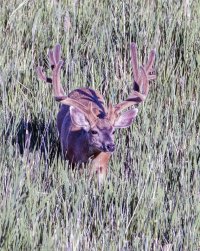
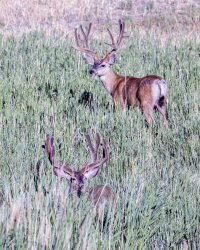

gary samples said:5ds 600mm heavy crop
Hi Gary, great shots. Wonderful animal
The purple color is very dominant in the photos. Is that post-processing or your camera? Just curious
Upvote
0

it was post I was in a hurry real late last nightcandyman said:gary samples said:5ds 600mm heavy crop
Hi Gary, great shots. Wonderful animal
The purple color is very dominant in the photos. Is that post-processing or your camera? Just curious
Upvote
0

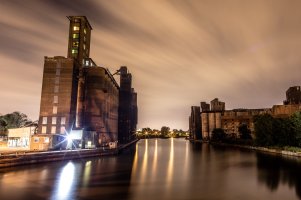

An old Wurlitzer.
ISO 1600, 1/50th handheld.
 Wurlitzer Canon 5DS © Keith Breazeal by Keith Breazeal, on Flickr
"As shot" screenshot. Zeroed the sharpening and noise default.
 Wurlitzer 5DS screenshot © Keith Breazeal by Keith Breazeal, on Flickr
ISO 1600, 1/50th handheld.
Wurlitzer Canon 5DS © Keith Breazeal by Keith Breazeal, on Flickr"As shot" screenshot. Zeroed the sharpening and noise default.
Wurlitzer 5DS screenshot © Keith Breazeal by Keith Breazeal, on Flickr
Upvote
0
Night video with the 5DS- it is really good!
This was a test for the way I would actually be using it. The quality is better than expected- colors nailed and the audio was perfect despite being over 100 db.
https://www.youtube.com/watch?v=A2PGec5dTHw
Screen grab
 Young Guns Canon 5DS video screen grab © Keith Breazeal by Keith Breazeal, on Flickr
This was a test for the way I would actually be using it. The quality is better than expected- colors nailed and the audio was perfect despite being over 100 db.
https://www.youtube.com/watch?v=A2PGec5dTHw
Screen grab
Young Guns Canon 5DS video screen grab © Keith Breazeal by Keith Breazeal, on Flickr
Upvote
0


Finally, good light and easy birds to test the 5Ds R with.
50.6MP (as framed)
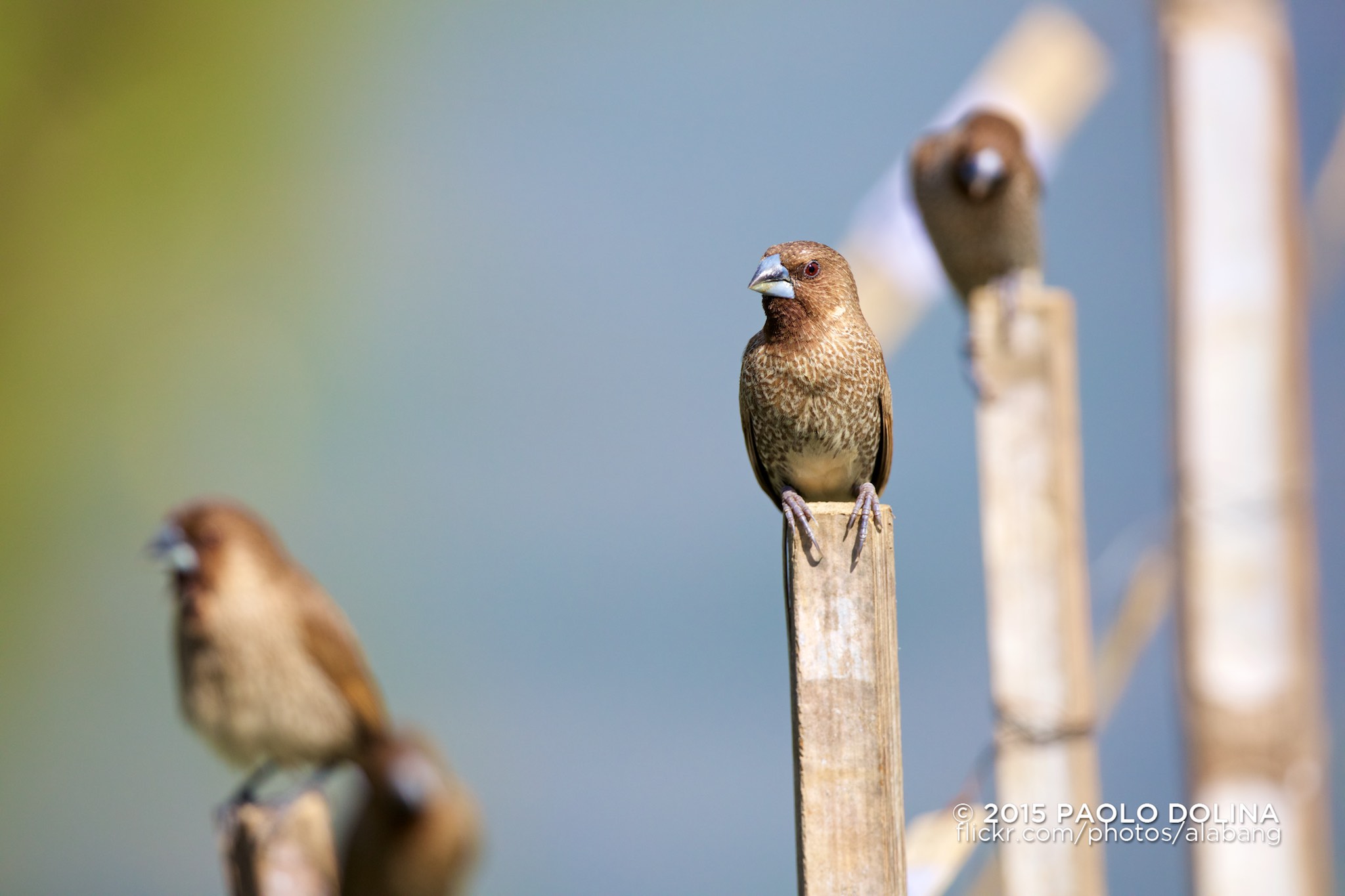
scaly-breasted munia (Lonchura punctulata) by alabang, on Flickr
Best seen at https://flic.kr/p/wtvM3b
19.9MP (as cropped)
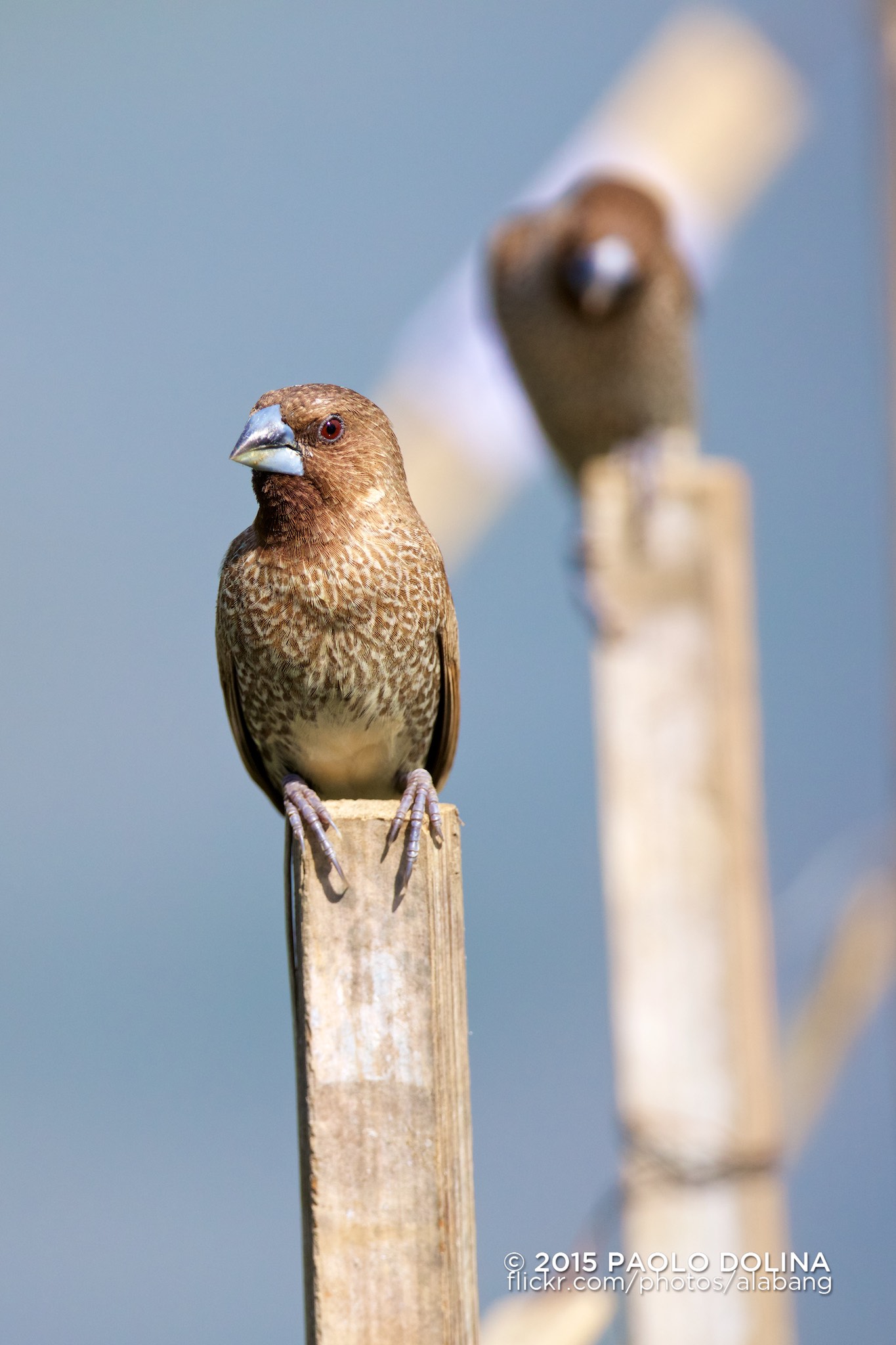
scaly-breasted munia (Lonchura punctulata) by alabang, on Flickr
Best seen at https://flic.kr/p/vz9ovj
100% magnification (as cropped)
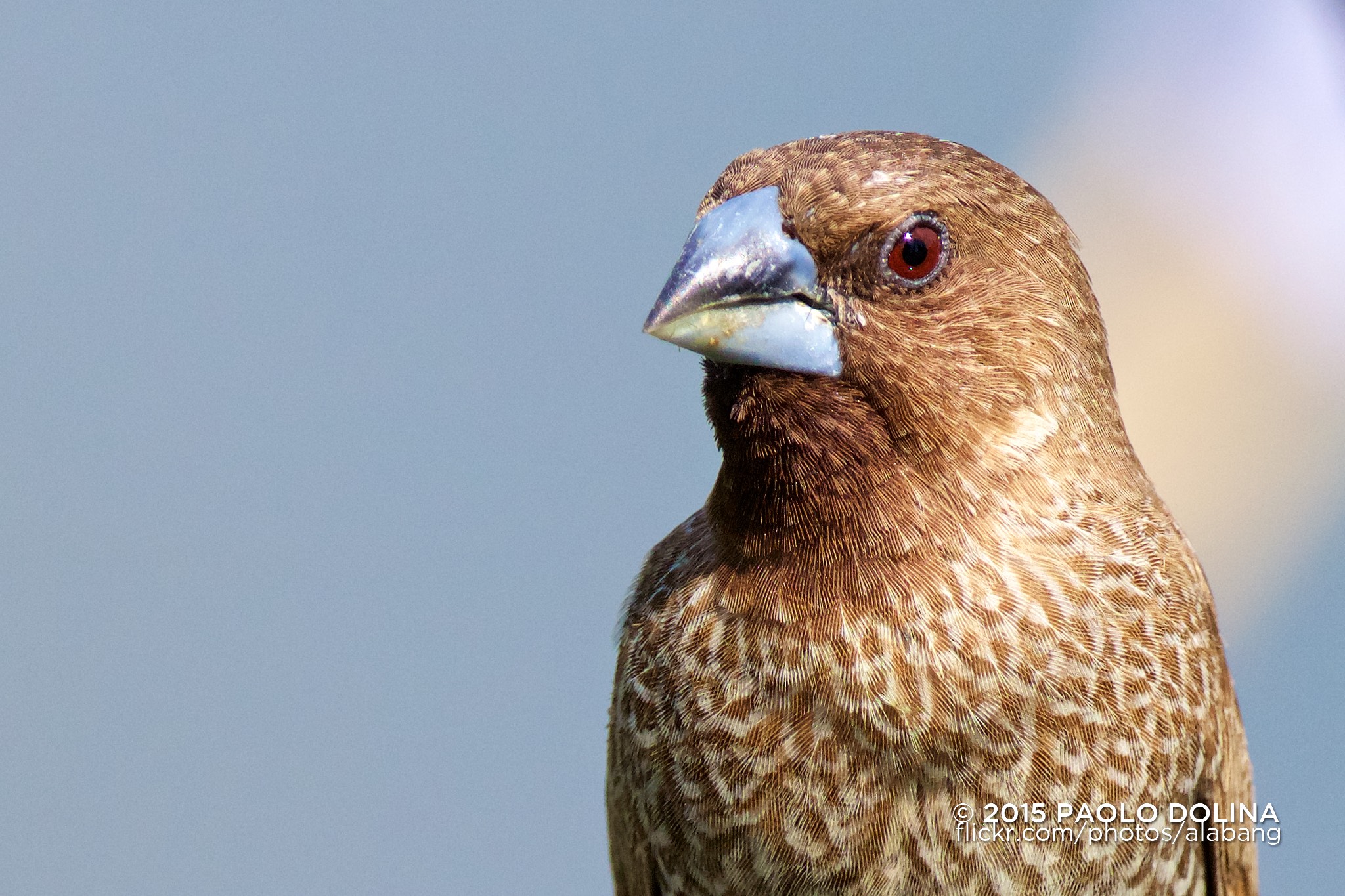
scaly-breasted munia (Lonchura punctulata), by alabang, on Flickr
Best seen at https://flic.kr/p/wwCYRV
EXIF: f/8.0 1/1250 ISO 800 800mm 5Ds R handheld
The scaly-breasted munia or spotted munia (Lonchura punctulata), known in the pet trade as nutmeg mannikin or spice finch, is a sparrow-sized estrildid finch native to tropical Asia. A species of the genus Lonchura, it was formally described and named by Carl Linnaeus in 1758. Its name is based on the distinct scale-like feather markings on the breast and belly. The adult is brown above and has a dark conical bill. The species has 11 subspecies across their range and differ slightly in size and colour.
This munia eats mainly on grass seeds apart from berries and small insects. They forage in flocks and communicate with soft calls and whistles. The species is highly social and may sometimes roost with other species of munias. This species is found in tropical plains and grasslands. Breeding pairs construct dome-shaped nests using grass or bamboo leaves.
The species is endemic to Asia and occurs from India and Sri Lanka east to Indonesia and the Philippines. It has been introduced into many other parts of the world and feral populations have established in Puerto Rico and Hispaniola as well as parts of Australia and the United States of America. The bird is listed as of Least Concern by the International Union for Conservation of Nature (IUCN).
Source: https://en.wikipedia.org/wiki/Scaly-breasted_munia
Location: https://en.wikipedia.org/wiki/International_Rice_Research_Institute
50.6MP (as framed)
scaly-breasted munia (Lonchura punctulata) by alabang, on Flickr
Best seen at https://flic.kr/p/wtvM3b
19.9MP (as cropped)
scaly-breasted munia (Lonchura punctulata) by alabang, on Flickr
Best seen at https://flic.kr/p/vz9ovj
100% magnification (as cropped)
scaly-breasted munia (Lonchura punctulata), by alabang, on Flickr
Best seen at https://flic.kr/p/wwCYRV
EXIF: f/8.0 1/1250 ISO 800 800mm 5Ds R handheld
The scaly-breasted munia or spotted munia (Lonchura punctulata), known in the pet trade as nutmeg mannikin or spice finch, is a sparrow-sized estrildid finch native to tropical Asia. A species of the genus Lonchura, it was formally described and named by Carl Linnaeus in 1758. Its name is based on the distinct scale-like feather markings on the breast and belly. The adult is brown above and has a dark conical bill. The species has 11 subspecies across their range and differ slightly in size and colour.
This munia eats mainly on grass seeds apart from berries and small insects. They forage in flocks and communicate with soft calls and whistles. The species is highly social and may sometimes roost with other species of munias. This species is found in tropical plains and grasslands. Breeding pairs construct dome-shaped nests using grass or bamboo leaves.
The species is endemic to Asia and occurs from India and Sri Lanka east to Indonesia and the Philippines. It has been introduced into many other parts of the world and feral populations have established in Puerto Rico and Hispaniola as well as parts of Australia and the United States of America. The bird is listed as of Least Concern by the International Union for Conservation of Nature (IUCN).
Source: https://en.wikipedia.org/wiki/Scaly-breasted_munia
Location: https://en.wikipedia.org/wiki/International_Rice_Research_Institute
Upvote
0


Eldar said:Thanks Jon, Interesting. I rarely push shadows as much as this. In fact I cannot remember when I did that the last time, so it is less of a problem for me. I understand that for your astrophotography the situation is very different though.jrista said:Eldar said:OK Jon, I´ll give you an example. I´d be happy to see your response. I´m on vacation up the northwest coast and shot this for an HDR series. It is deliberately 3 stop under exposed. I have attached the original image, one lifted 3 stops and one small crop. Below is also the dropbox link to the RAW-file. Feel free to download and play around with it.
https://www.dropbox.com/s/n32t5ic9o7yfadl/_23A1096.CR2?dl=0
Thanks again for the file. I am happy that there doesn't seem to be a hint of banding there. I think that is the first time I've ever seen a Canon file without banding. It may still be there deeper in the shadows, but in this image, it's not, and that is definitely an improvement. I cannot lift shadows three stops on my 5D III most of the time without banding.
The data still has Canon's classic color blotch, sadly. I don't know what gives rise to that exactly. I was able to clean it up with 85 color smoothing and 35 color noise reduction. That takes the wind out of the rest of the colors a bit, so the rock face is less lively.
There is still something "rough" about Canon's random noise. Something I don't see in Sony's. I am guessing that is simply because the noise levels are higher, some ~3e- vs. ~13e-?
Anyway, it's an improvement over it's predecessors for sure.
The attached image is 50% downsampled, and is with +3 exp, +40 shadows, -100 highlights, -70 whites, as well as curves of +20 highlight, +40 white, -30 shadow, -5 black. Upped clarity to +33, saturation to +15.
I live on the "back" side of the Rockies...in that I'm on the east, and the sun sets behind them on the west. When the clouds look their nicest, colorful and vibrant, the mountains themselves are shaded. I can sometimes get to the south, but that still leaves me with very high dynamic range scenes. Lifting the shadows by three stops is a matter of course when trying to do landscapes on the eastern side of the rockies...four stops is pretty common. I try to do HDR, but I really don't like how that usually ends up looking most of the time...motion in the clouds and water is always a problem for HDR. So it's not just an astro thing...it's a landscapes thing more specifically. For me to get to the western side of the mountains, I need to drive a couple of hours at least, which is impossible for me most of the time (takes me 45 minutest to an hour just to get to the foothills, then some to get into the mountains, and another hour to get far enough west of the more interesting peaks.)
Upvote
0

I see your point Jon. Where I go, I get light from every possible direction, so I am familiar with that problem, but I am a bit less critical to shadow noise I guess.
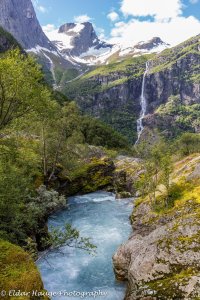
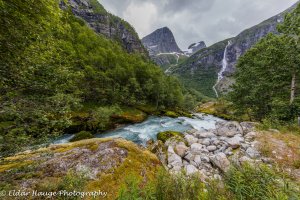
I am currently on the west coast of Norway. A fantastic area, with mountains, lakes, glaciers, waterfalls and whatever else you could wish for. This is from just beneath Briksdalsbreen (the glacier at Briksdalen). (Speedy processed on my laptop)
24-70 f2.8L II @35mm, 1/50s, f8.0, ISO100 (handheld)
I am currently on the west coast of Norway. A fantastic area, with mountains, lakes, glaciers, waterfalls and whatever else you could wish for. This is from just beneath Briksdalsbreen (the glacier at Briksdalen). (Speedy processed on my laptop)
24-70 f2.8L II @35mm, 1/50s, f8.0, ISO100 (handheld)
Attachments
Upvote
0

Eldar said:I see your point Jon. Where I go, I get light from every possible direction, so I am familiar with that problem, but I am a bit less critical to shadow noise I guess.
I am currently on the west coast of Norway. A fantastic area, with mountains, lakes, glaciers, waterfalls and whatever else you could wish for. This is from just beneath Briksdalsbreen (the glacier at Briksdalen). (Speedy processed on my laptop)
24-70 f2.8L II @35mm, 1/50s, f8.0, ISO100 (handheld)
Looks like something from a fairytale ! A beautiful scene.
Upvote
0
Thanks Click and candyman.
More from the 5Ds R on that same day.
50.6MP (as framed)

Oriental pipit (Anthus rufulus) by alabang, on Flickr
Best seen at https://flic.kr/p/wyryq1
12.3MP (as cropped)
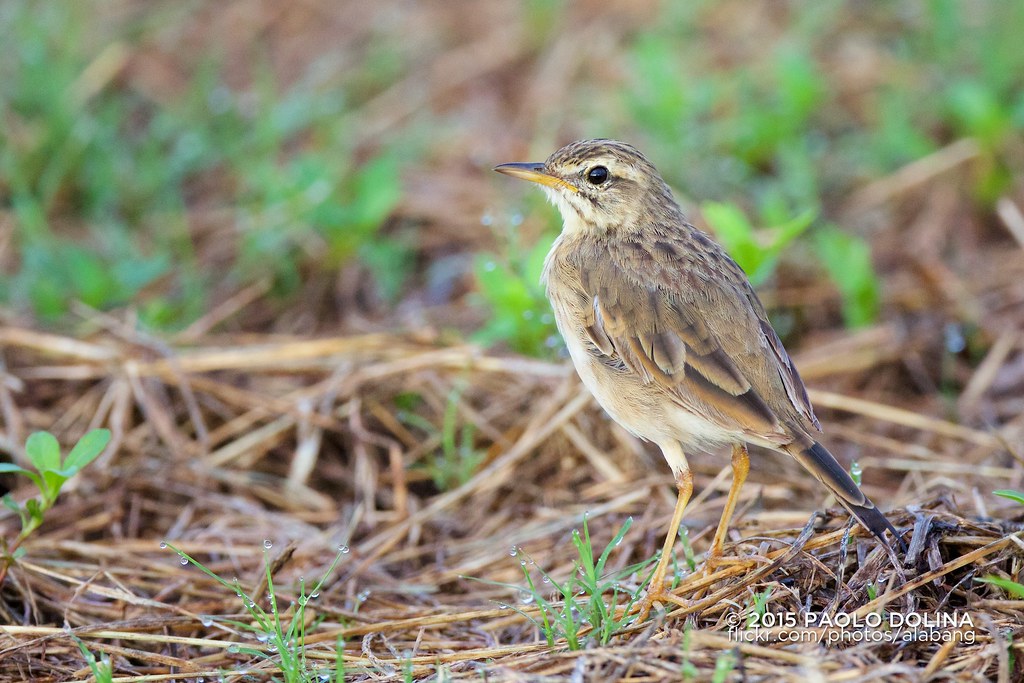
Oriental pipit (Anthus rufulus) by alabang, on Flickr
Best seen at https://flic.kr/p/vC7KXU
100% magnification (as cropped)
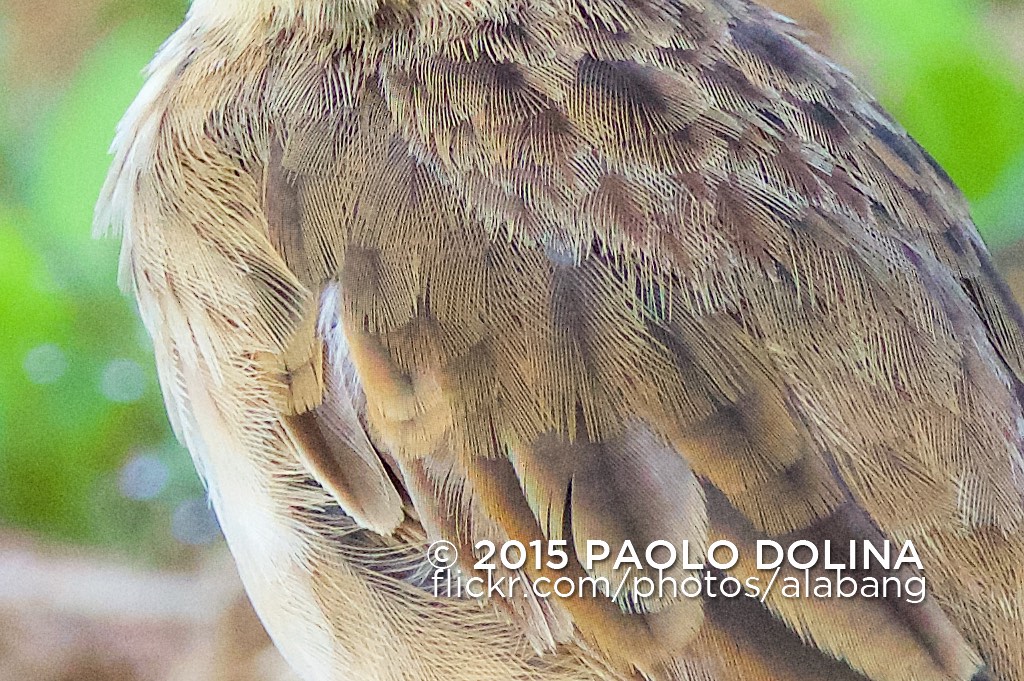
Oriental pipit, (Anthus rufulus) by alabang, on Flickr
Best seen at https://flic.kr/p/wz9mjt
EXIF: f/5.6 1/800 ISO 3200 800mm 5Ds R handheld
The paddyfield pipit, or Oriental pipit,[2] (Anthus rufulus) is a small passerine bird in the pipit and wagtail family. It is a resident (non-migratory) breeder in open scrub, grassland and cultivation in southern Asia east to the Philippines. Although among the few breeding pipits in the Asian region, identification becomes difficult in winter when several other species migrate into the region. The taxonomy of the species is complex and has undergone considerable changes.
Source: https://en.wikipedia.org/wiki/Paddyfield_pipit
Location: https://en.wikipedia.org/wiki/International_Rice_Research_Institute
More from the 5Ds R on that same day.
50.6MP (as framed)
Oriental pipit (Anthus rufulus) by alabang, on Flickr
Best seen at https://flic.kr/p/wyryq1
12.3MP (as cropped)
Oriental pipit (Anthus rufulus) by alabang, on Flickr
Best seen at https://flic.kr/p/vC7KXU
100% magnification (as cropped)
Oriental pipit, (Anthus rufulus) by alabang, on Flickr
Best seen at https://flic.kr/p/wz9mjt
EXIF: f/5.6 1/800 ISO 3200 800mm 5Ds R handheld
The paddyfield pipit, or Oriental pipit,[2] (Anthus rufulus) is a small passerine bird in the pipit and wagtail family. It is a resident (non-migratory) breeder in open scrub, grassland and cultivation in southern Asia east to the Philippines. Although among the few breeding pipits in the Asian region, identification becomes difficult in winter when several other species migrate into the region. The taxonomy of the species is complex and has undergone considerable changes.
Source: https://en.wikipedia.org/wiki/Paddyfield_pipit
Location: https://en.wikipedia.org/wiki/International_Rice_Research_Institute
Upvote
0
Similar threads

- Replies
- 8
- Views
- 1K


