
You are using an out of date browser. It may not display this or other websites correctly.
You should upgrade or use an alternative browser.
You should upgrade or use an alternative browser.

R
Ryusui
Guest
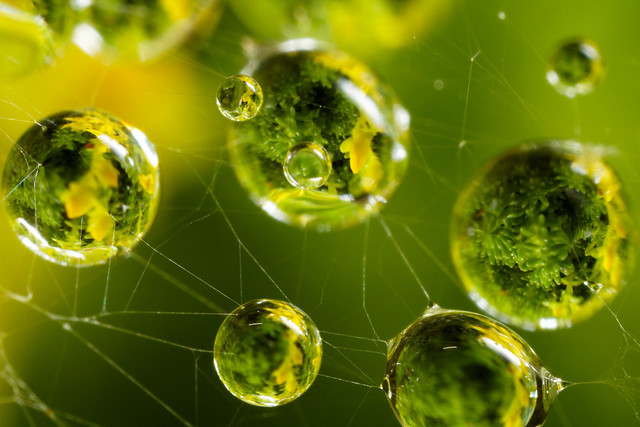
This has to be my favorite shot I've ever seen with this lens. Damn.neuroanatomist said:
EOS 5D Mark II, MP-E 65mm f/2.8 1-5x Macro @ 5x, 1/60 s, f/11, ISO 400, MT-24EX
Upvote
0

Amazing pics.... now you guys are making me desire the MP-E65.... sad thing is they dont have it for rental locally...
Tice the jumping spider shot is amazing... the only way I could do it is set camera at burst mode and hope for the best
Tice the jumping spider shot is amazing... the only way I could do it is set camera at burst mode and hope for the best
Upvote
0
This one was ovipositing in the wall of my home, the flash produced a "stock image like" background:
Stack of two pictures with Canon MP-E 65mm @ about 1x magnification, raw processed with UFRaw and final stack in GIMP

Oviposing bug by Gustavo Mazzarollo, on Flickr
The complete set of eggs:

Oviposing by Gustavo Mazzarollo, on Flickr
Stack of two pictures with Canon MP-E 65mm @ about 1x magnification, raw processed with UFRaw and final stack in GIMP
Oviposing bug by Gustavo Mazzarollo, on Flickr
The complete set of eggs:
Oviposing by Gustavo Mazzarollo, on Flickr
Upvote
0
C
canonluvr
Guest
I have a mpe-65mm to.
It is a monster and the most difficult lens to operate.
I have some questions about the great pics i'm seeing here.
How or what do you do with your insects? Are they alive or dead?
I mean the DOF is like 1/10th of a milimeter, so if the insect even blinks its out of focus.
Especially on 5x. What I do is put them in the freezer for a few minutes that slows them down.
But my 580ex warms them up quickly.
Are you guys using the special flashes for macro?
How do you focusstack? I find it hard to use the focusring without shifting the lens/image. We are talking about pushing the lens by half a milimeter and the pics are not aligned anymore.
It is a monster and the most difficult lens to operate.
I have some questions about the great pics i'm seeing here.
How or what do you do with your insects? Are they alive or dead?
I mean the DOF is like 1/10th of a milimeter, so if the insect even blinks its out of focus.
Especially on 5x. What I do is put them in the freezer for a few minutes that slows them down.
But my 580ex warms them up quickly.
Are you guys using the special flashes for macro?
How do you focusstack? I find it hard to use the focusring without shifting the lens/image. We are talking about pushing the lens by half a milimeter and the pics are not aligned anymore.
Upvote
0
L
Loswr
Guest
I won't open a debate on freezing insects.
I use an MT-24 EX with my MP-E 65mm and it's much better than a standard flash.
You can't focus the lens per se - that changes magnification, so images can't be stacked. Instead, you need to move the camera/lens slightly. That's best done with a macro rail.
I use an MT-24 EX with my MP-E 65mm and it's much better than a standard flash.
You can't focus the lens per se - that changes magnification, so images can't be stacked. Instead, you need to move the camera/lens slightly. That's best done with a macro rail.
Upvote
0
C
canonluvr
Guest
Yes I do it with a rail but even than sometimes it is hard to not accidently touch the tripod. Or the insect moves around.
I have been testing it out a lot with an 580ex + 430ex on remote triggers. But even getting a perfect focus on 5x is taking time and you really almost need a dead insect to make a great picture. Certanly when you are photographing eyes from a fly or dragonfly. I really dont see how you can do that with a living insect.
Sorry i'm not here to open that debate and I don't wanna kill insects. I'm just wondering how people make those pictures. I have made a focusstack of 10 from a dead spider I found, and that works great ofcourse.
I have been testing it out a lot with an 580ex + 430ex on remote triggers. But even getting a perfect focus on 5x is taking time and you really almost need a dead insect to make a great picture. Certanly when you are photographing eyes from a fly or dragonfly. I really dont see how you can do that with a living insect.
Sorry i'm not here to open that debate and I don't wanna kill insects. I'm just wondering how people make those pictures. I have made a focusstack of 10 from a dead spider I found, and that works great ofcourse.
Upvote
0

The world of insects. What an amazing creatures. And all of you have brought them in this thread so close that you start to look at those creatures in a different way.
Excellent photos!
Excellent photos!
Upvote
0

dude, WTF?!canonluvr said:What I do is put them in the freezer for a few minutes that slows them down.

Upvote
0

One trick with insects, to enable a more extensive exploration of shots (either different angles or focus stacking), is to catch them late in the evening or early in the morning. They are much less active then and don't tend to respond, with the added bonus that you aren't causing them any harm. Of course, because they're less active, they're also harder to find.
Upvote
0

Kernuak is right. In essence the cooler the air the better as they become very lethargic. I believe the exact Farenheit is 60° where insects are pretty much useless and cling on to things such as screen doors, etc. Another good tip is be careful while shooting a live insect as to not block out the direct light. They are sensitive to this and will quickly scatter (there are a few exceptions)
I use the same tools as Neuro - the MT 24EX is a great macro flash. I'm not a big fan of the mounting ring it comes with so I acquired http://www.ebay.com/itm/Studio-TWIN-ARM-FLASH-BRACKET-holder-Olympu-TF-22-Canon-MT-24EX-SPEEDLITE-/250928028740?pt=Camera_Flash_Accessories&hash=item3a6c79dc44 which offers far more flexibility. I also acquired the Stofen Diffusers and stuffed them with a cotton ball to help spread out the somewhat harsh light. The manual settings work best vs. the ETT-L. There are many pro MP-E 65 users out there such as Lord V http://www.flickr.com/photos/lordv/sets/72157594222523751/ who makes his own diffusers. I also like this guy: Huub http://www.flickr.com/photos/57977032@N07/. He recommended this article awhile back http://www.davidkennardphotography.com/blog/238-mt-24ex-macro-flash-diffusers-comparison.xhtml . A lot of these Macro experts scrutinize the reflective properties on some of the more shinier insects such as beetles as most flashes cause that "white over exposed look" on their shells hence the reason for their creation of homemade diffusers. Hope this helps..Rev
I use the same tools as Neuro - the MT 24EX is a great macro flash. I'm not a big fan of the mounting ring it comes with so I acquired http://www.ebay.com/itm/Studio-TWIN-ARM-FLASH-BRACKET-holder-Olympu-TF-22-Canon-MT-24EX-SPEEDLITE-/250928028740?pt=Camera_Flash_Accessories&hash=item3a6c79dc44 which offers far more flexibility. I also acquired the Stofen Diffusers and stuffed them with a cotton ball to help spread out the somewhat harsh light. The manual settings work best vs. the ETT-L. There are many pro MP-E 65 users out there such as Lord V http://www.flickr.com/photos/lordv/sets/72157594222523751/ who makes his own diffusers. I also like this guy: Huub http://www.flickr.com/photos/57977032@N07/. He recommended this article awhile back http://www.davidkennardphotography.com/blog/238-mt-24ex-macro-flash-diffusers-comparison.xhtml . A lot of these Macro experts scrutinize the reflective properties on some of the more shinier insects such as beetles as most flashes cause that "white over exposed look" on their shells hence the reason for their creation of homemade diffusers. Hope this helps..Rev
Upvote
0
unruled
no doubt its a great lens but isn't worth a pint of beans without the MT 24EX flash or the MT 14 (I believe is the other canon macro flash). I read somewhere you need a hunting license to use this lens, that reviewer wasn't kidding. WIht the body, flash and lens it weighs quite a bit. An alternative would be the 100mm 2.8 macro but its only a 1x. At least with the 7D, a little known feature occurs when in macro mode with the 100mm it's the AI Servo for Macro. There's also the 60mm macro and one other macro (a tele think 185mm ?) but the latter are all 1x and are easier to use and don't require a macro flash.
Rev
no doubt its a great lens but isn't worth a pint of beans without the MT 24EX flash or the MT 14 (I believe is the other canon macro flash). I read somewhere you need a hunting license to use this lens, that reviewer wasn't kidding. WIht the body, flash and lens it weighs quite a bit. An alternative would be the 100mm 2.8 macro but its only a 1x. At least with the 7D, a little known feature occurs when in macro mode with the 100mm it's the AI Servo for Macro. There's also the 60mm macro and one other macro (a tele think 185mm ?) but the latter are all 1x and are easier to use and don't require a macro flash.
Rev
Upvote
0
unruled
there's no focus on the MP-E 65. It's all manual and your focus by rocking back and forth while leaving the desired magnification in place or use a macro rail. it takes some getting used to but once you got it down the rewards as you can see are simply stunning.
Also, if on 5x with F16 you are really shooting at 5xF16 = F80, basically a black hole. this is why you would need the flash. Once the flash is on you would use the LCD and zoom to get your razor sharp photos. The DOF is limited so a lot of folks shoot between F9 and F16 for greatest detail
there's no focus on the MP-E 65. It's all manual and your focus by rocking back and forth while leaving the desired magnification in place or use a macro rail. it takes some getting used to but once you got it down the rewards as you can see are simply stunning.
Also, if on 5x with F16 you are really shooting at 5xF16 = F80, basically a black hole. this is why you would need the flash. Once the flash is on you would use the LCD and zoom to get your razor sharp photos. The DOF is limited so a lot of folks shoot between F9 and F16 for greatest detail
Upvote
0
There is no "best" macro. There are many different macros for different purposes. IMHO the MP-E 65 + MT-24EX is the best general purpose macro for small insects. However, it certainly isn't the only macro I depend on. The following are also great macros I use and each has its specialty.unruled said:I've read and seen great stuff from this lens, and for its magnification its unique inthe slr world isn't it? So does that make it the best macro or are there others that have awesome/exceptional qualities to them?
love the shots guys!
(note: for those curious I discussed them more on a friend's blog - http://www.ronmartblog.com/2011/11/today-im-happy-to-have-blog-reader.html)
100/2.8 IS Macro - great general purpose macro, leaves, flowers, small objects
TS-E 90 - probably best general purpose macro for flowers. Tilt provides a lot of flexibility.
TS-E 24 II - great for broad views
300/4 IS - great for dragonflies
70-200/2.8 II - abstract subjects
70-200/2.8 II + 2x III - provides more magnification + becomes a different lens
In terms of the MP-E 65, it is an awesome lens but there are ways to go even higher in magnification or improve the resolution. At 5x I have seen evidence that a Nikon CFI 10x .25 10.5 mounted on a 100mm/2.8 macro is sharper. You can also mount other microscope objectives to go further. I am currently in the process of doing this and I hope to provide some examples in the next few weeks.
Upvote
0
Similar threads

- Replies
- 5
- Views
- 2K

- Replies
- 15
- Views
- 4K

- Replies
- 63
- Views
- 19K
L
- Replies
- 25
- Views
- 14K
